Census 2016: Does it really count?
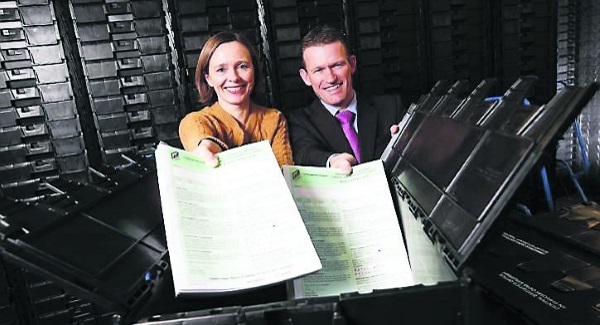
Well, you have to fill in your census form — it’s the law. After the last one five years ago, 20 people were prosecuted for failing to do so and five were convicted. But the fact is that there are huge gains to the country by knowing crucial information about its citizens. As the Central Statistics Office which runs the census points out, the results which emerge from tomorrow will help identify: the likely demand for schools and health care facilities; the best locations for new shops; how many people are coming into and going out of the country; where the employment blackspots are; how is the health of the nation.
So can anyone who doesn’t fill out their form really complain if, in a few years time, their local town is not getting a new school which they would like their kids to attend? At the end of the day, the form takes an average of less than half an hour to complete — and for an example of what we learn, here are some of the statistics from the 2011 census.
Almost 120,000 people spoke Polish at home in Ireland at that point compared with 82,600 speaking Irish. There were 77 married 17-year-olds — two of them on their second marriage after the death of their first partner and one following the dissolution of their first marriage. One of those 17 year-olds was divorced.
People who classed themselves with no religion (including atheists and agnostics) were more than twice as likely to have a postgraduate diploma or degree or higher compared with the general population.

CONNECT WITH US TODAY



Be the first to know the latest news and updates