Kerry people forced to live ‘like hobbits’ to comply with stringent planning regulations
Stated policy on building in Kerry under the new county development plan is for integration into the landscape and there is a requirement to build on lower ground rather than on elevated or exposed sites.
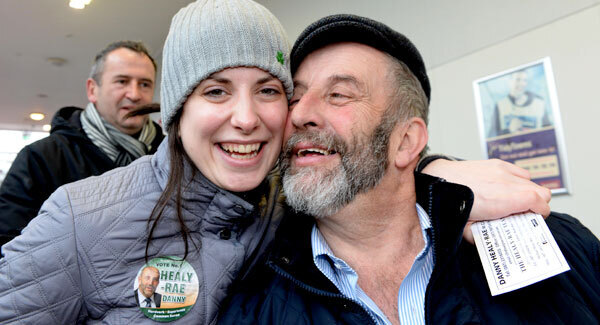
However, independent Councillor Maura Healy-Rae, during a meeting of the Killarney Municipal District yesterday, called on the planning authority “to desist from forcing housing applicants to build in low ground or in hollows”. She said applicants should be allowed raise floor levels “at least 3ft above ground level around them”. While they couldn’t rise too far above ground, housing applicants were also having to deal with the possibility of being refused because of flooding and percolation issues, Ms Healy-Rae explained.
The council, in a written reply, strongly defended its policies of requiring applicants to avoid intrusion into the landscape — prompting Ms Healy-Rae, who has taken over the council seat from her newly-elected TD father Danny, to ask “Are they going to have to go underground like hobbits?”.
In the reply to Ms Healy-Rae the council executive defended the policy and said it was designed to protect the landscape. Stringent restrictions on one-off housing were included in the current county development plan (2015-2021) to row back on the boom years in Kerry when thousands more houses were built than were needed.
The protection of the landscape was of “critical importance” to the economy in Kerry. “It is an objective of the council to ensure that the provision of rural housing will protect the landscape, the natural and built heritage, the economic assets, and the environment of the county,” the reply said.
In assessing planning applications for houses in the rural landscape, “the siting of the house is critical when considering its visual impact,” it said. A sheltered site, avoiding elevated or exposed locations, avoiding breaking the skyline or locating between the road and scenic views, and working with the contours of the site, were all key factors in getting planning permission in rural Kerry, it said.
CONNECT WITH US TODAY



Be the first to know the latest news and updates