Warning as some hot drinks contain 25 spoons of sugar
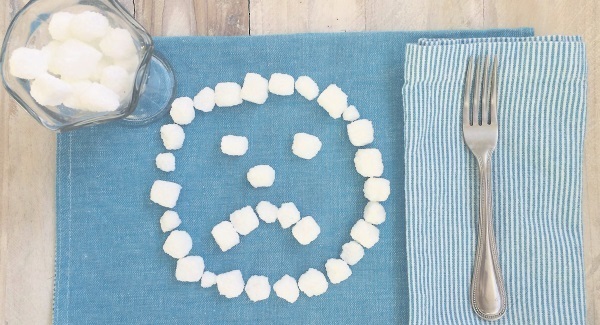
The drinks included flavoured coffees like mochas and lattes, hot fruit drinks, and hot chocolates from some of the best known coffee and fast food chains.
Starbucks’ seasonally available “venti grape with chai, orange, and cinnamon hot mulled fruit” was the worst offender, with 25 teaspoons of sugar per serving, over three times the maximum adult daily intake of sugar.
An Action on Sugar spokesman said these levels of sugar could be considered “dangerously high.”
Costa Coffee’s massimo chai latte contained 20 teaspoons of sugar. Other chains featured in the report included Caffe Nero, KFC and McDonald’s.
A spokeswoman from Starbucks confirmed the chain’s recipes and portion sizes are the same in their Irish outlets as they are in the UK.
“Earlier this year we committed to reduce added sugar in our indulgent drinks by 25% by the end of 2020, and we display all our nutritional information in-store and online,” she said.
Mary Daly is the founder of The Food Safety Company which offers expert labelling and compliance training to the Irish food industry. She said labelling information can be presented in “misleading” ways, and that nutritional information must be available at the point of sale in food businesses.
“If people knew there were 25 spoons of sugar in a drink they wouldn’t opt for it. Consumers need proper access to this information; it’s very misleading because some of these products, like hot juices, may seem like a healthy option,” she said.
“New Food Safety Authority of Ireland regulations on calorie labelling are going to be fully implemented in Ireland by the end of 2016, but until then Irish consumers should read labels carefully and actively check out nutritional advice.”
The UK currently has the highest obesity rate in Europe, but Ireland will overtake if current trends continue; the World Health Organisation predicts that if trends continue, 89% of Irish men and 85% of Irish women will be obese or overweight by 2030.
“Coffee shop chains must immediately reduce the amount of sugar in these hot drinks, improve their labelling, and stop selling extra-large serving sizes,” Action on Sugar researcher Kawther Hashem said.
However, Mr Hawshem said, consumers should also monitor their intake and shouldn’t make sugary offerings a part of their daily routine.
CONNECT WITH US TODAY



Be the first to know the latest news and updates