Brexit deal may hit EU workers in Ireland
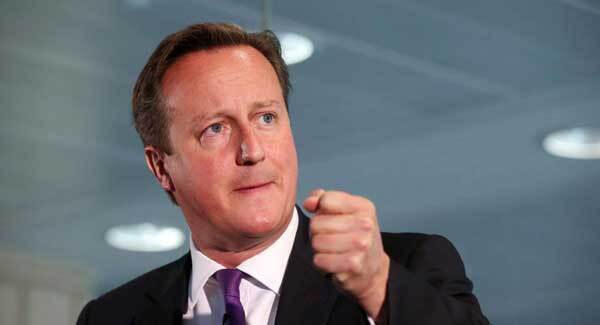
The draft got a largely positive response with British Prime Minister David Cameron saying he would campaign for a âyesâ vote in the in-out referendum which could come as soon as June, while the Czech Europe minister called the draft âreasonableâ.
A statement from the Taoiseach was non committal, saying the complex document would be studied. It would not apply to the estimated 420,000 Irish working in the UK, but would affect newcomers.
Polandâs Europe minister Konrad Szymansk, however, said the draft on migrant workers as a problem. âWe canât accept discrimination,â he told media ahead of the first meeting on Friday of representatives from all the member countries.
While the draft released by European Council president Donald Tusk does not directly allow a country to ban workers from other EU countries, it will be able to do so under legislation due to be drawn up by the European Commission on labour mobility which has been held off until the deal with Britain is agreed.
The draft clearly would allow countries to make new social security rules for non national EU workers without creating âunjustifiedâ discrimination to âavoid or limit flows of workers of such a scale that they have negative effects for member statesâ.
It also broadens the definition of âoverriding public interestâ that would allow a country restrict the free movement of workers. This reasons are: âencouraging recruitment, reducing unemployment, protecting vulnerable workers, averting the risk of seriously undermining the sustainability of social security systemsâ.
The draft says the Commission accepts that Britain meets these conditions and so believes that once they vote to remain in the EU, they can impose restrictions.
Britain can also restrict in-work benefits â tax reductions for the low paid â for newcomers, introducing them gradually over four years. However by the time they could so it is expected that their Universal Reform System will replace the current system.
The other three basket of issues that Mr Cameron said he wanted from his fellow EU leaders to allow him campaign for a âyesâ vote are more technical and much of it is about clarifying existing EU treaties.
They will not require a change to the treaties, a senior EU source confirmed, but some of it at least will be added to them the next time they are revised, including a clause saying that the UK âis not committed to further political integration into the European Unionâ.
It commits to setting up a permanent review of existing EU law to see if it should be abolished on the basis that it could be better done at national level. It says that if national parliaments of at least 16 member states objects to draft legislation on this subsidiarity basis, the Council â representing member states â can reject it. It appears to bypass the European Parliament that is a co-legislator in most areas.