Irish suffered more during economic crisis than other EU workers
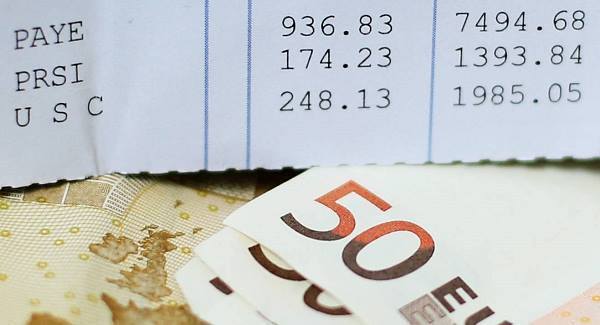
The figures show the trend from 2008, as the economic crisis deepened in Ireland, to the end of 2014.
Labour costs dropped by a tenth, the most of any EU country, while average pay barely changed, showing the lowest growth of any EU country, other than Cyprus. Productivity, however, grew by more than 10%, the third highest in the EU over the six years.
Hiring and firing workers is easier in Ireland and Britain, the report found, while commercial contracts, rather than employment law, are largely regulating the labour market. Zero-hour contracts are legal in Britain, while other civil law contracts in other countries have been developed to get around labour law.
Bogus self-employment has also increased in the EU, the report said, with workers on contracts of employment and formally self-employed depending on a single client or employer. This non-standard work frequently means insecurity for the worker, with spells of unemployment, fewer hours of work, and less social protection.
At the publication of the study — which feeds into the commission’s annual assessment of each country’s economy — commissioner Marianne Thyssen said she hopes to seek a fairer balance between labour flexibility and security, while taking account of the changing realities of Europe’s societies in the forthcoming European Pillar of Social Rights.
The annual survey, however, did not address expected proposals on easing the ability of people to move around the EU to work, despite figures showing that in some countries — including Ireland — there was a shortage of particular skills. The commissioner admitted the proposals were ready to go, but there had been a decision to hold them back, because they might affect the debate in Britain over EU workers in relation to the Brexit referendum.
However, the study showed the UK and, to a lesser extent Ireland, as countries whose growth benefited particularly from workers from the 15-member bloc that made up the EU pre-2004, and from third-country migrants. Workers from the newer countries were concentrated in lower growth areas, despite being extremely well educated.
Figures just released by Eurostat showed 51% of Irish enterprises had problems recruiting people with ICT.

CONNECT WITH US TODAY



Be the first to know the latest news and updates