€150m shortfall warning for HSE budget
The HSE detailed the situation in a series of warnings about the “substantial financial risk” facing it next year, casting doubt over the key plan less than 24 hours after it was finalised.
The 172-page HSE service plan document, which outlines how the system’s €13bn budget will be used next year, was published by HSE director general Tony O’Brien yesterday after weeks of delays and last- minute cabinet changes.
However, while it includes a “modest but welcome” €817m increase, €720m of this figure has either already been spent on the 2015 supplementary budget or ring-fenced for existing services, meaning just €97m is available for new measures.
The document, which warns “it will not be possible to address all challenges identified”, states some service improvements, like €10m for cancer services, €7.25m for disability services, and funding for free GP care for under-12s should negotiations with doctors prove successful, will take place.
However, it also makes clear there are serious shortfalls in funding available which mean the system will struggle to meet targets, with cuts considered “as a last resort”.
According to the HSE plan, acute hospitals are underfunded by €150m next year, with a once-off €50m income collection from insurers only marginally addressing the situation.
A further €30m in Lansdowne Road pay increases have also “not been funded”, while Monday’s deal with the Irish Nurses and Midwives Organisation has also yet to be costed.
In addition, the report raises further concerns over whether enough funding is available for all hi-tech drugs and the Fair Deal scheme if demands continue to grow, and notes the last-minute Cabinet decision that 50,000 people will no longer need medical cards next year instead of the HSE planned 125,000, will cost €30m more.
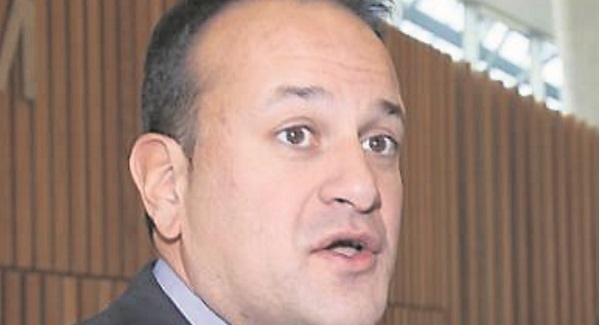
Mr Varadkar said yesterday “we are not contemplating any cutbacks”, and that hospitals will be asked to make non-service savings to address the shortfalls they face, or can be helped by money being moved from one part of the health service to another.
The health minister said the €30m extra cost of medical cards than planned by the HSE will be balanced out with money moving from the State Claims Agency allocation.
He also said that the Government “needs to honour” the €30m Lansdowne Road bill for staff — an issue made clear by Public Expenditure and Reform Minister Brendan Howlin during Tuesday’s cabinet meeting — despite the HSE noting no money has been made available.
However, he declined to provide any figure for the cost of the INMO deal, and said there will not be any new waiting lists established for home care and Fair Deal nursing home scheme, despite the HSE plan noting the latter may be needed.
When asked what will happen if the system overspends next year, as it has done for each of the last five years and by more than €600m this year, Mr Varadkar said he will not contemplate any cuts but will consider “deferring” some services or potentially using 2017 money.
However, while stressing service cuts will only be considered “as a last resort”, Mr O’Brien warned the system is facing a “substantial financial risk”.
Responding to questions beside Mr Varadkar and junior minister Kathleen Lynch, the HSE director general said “all people in the room” must understand there is no room for manoeuvre due to next year’s supplementary budget ban, as the system can no longer be “sustained, or rescued”, by extra money.
Fianna Fáil leader Micheál Martin last night said the health budget is “fraudulent” and designed to whitewash the health crisis before the election, while the Irish Medical Organisation said “in plain English” there is not enough money to meet demand.
Speaking to reporters last night, Taoiseach Enda Kenny defended Mr Varadkar, saying “he is one of the first class ministers in Cabinet” and “doing an excellent job in a very difficult position”.
News: 8&9
CONNECT WITH US TODAY



Be the first to know the latest news and updates