Members of banking probe face being sued
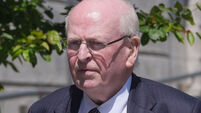
The acting chief clerk of the Dáil, Peter Finnegan, told the 11 TDs and senators who are part of the investigation about the decision during a five-hour meeting yesterday to sign-off on legal changes to the 450-page report.
The issue had previously been flagged as a possibility by Mr Finnegan in a letter to the inquiry last week in which he urged them not to take any shortcuts on legal issues in order to guarantee the report is published on time.
However, asked directly about the issue during the private meeting yesterday, Mr Finnegan specifically said that if anyone named in the report takes legal action as a result of the content or findings, inquiry members could be personally sued — and the Oireachtas will not indemnify them from costs.
News of the decision came as it was confirmed the inquiry report will today be sent out to between 70 and 80 individuals named in the document after it was finally signed-off on by the group after a fortnight of emergency meetings.
However, while only small changes were recommended by the legal counsel, it is understood a recommendation for the Government to take legal action against the ECB over its blocking of plans to burn bondholders is now not included.
One TD who was central to rewriting the report — Fine Gael’s Eoghan Murphy — is understood to have recommended the document not be published due to concerns about some of its content.
Yesterday’s meeting was arranged after the inquiry’s senior counsel said the report was strong enough to pass any potential legal action over its content and findings when she examined the document between Monday and Wednesday evening.
While some changes were required after this legal review, these were relatively minor in nature and have now been agreed by the inquiry members.
Sections of the report will now be sent out today to between 70 and 80 people who are named in the document as part of an unavoidable legal rights-of-reply process.
This stage of the inquiry will last for two weeks. However, due to the Christmas break, the period will in effect be closer to lasting three weeks.
The inquiry will next meet on December 29 and 30, and is likely to sign-off on any changes deemed necessary as a result of the rights-of-reply process on New Year’s Eve.
While the responses still have the potential to disrupt the report’s tight timeline to ensure it is published before the general election — a legal necessity in order to save the inquiry — provided there are no more significant obstacles for the report to overcome, it will now be published on January 27.
This date is linked into the fact the investigation’s legal team will have from New Year’s Eve until January 4 to finalise the report and respond to those named in it whether their rights-of-reply recommendations have been accepted or not, before an unavoidable 21-day cooling-off period, required under the Oireachtas Inquiries Act governing the inquiry’s work, takes place.
Any further delay in the inquiry’s work would fatally damage the investigation, with the committee having just one day spare between its planned January 27 publication date and the legal cut-off point for when it can be released.
CONNECT WITH US TODAY



Be the first to know the latest news and updates