Banruptcy legislation: ‘Nobody goes into business to fail’, says Wille Penrose
TDs across all parties welcomed a Cabinet decision yesterday to reduce, from three years to one, the length of bankruptcy for debtors.
The new terms bring Ireland’s bankruptcy terms into line with Britain and come as nearly 40,000 mortgage owners are over two years in arrears.
Ms Burton said she was comfortable the legislation would be enacted before Christmas. “What’s more important is, I think, for people who have not as yet engaged with their lender and their bank in relation to debt, like mortgage debt.”
She said the legislation now allowed for this and was designed so borrowers could stay in their family home.
“This will provide a basis on which banks will have to come to much better arrangements with individuals and families who are at risk of losing the family home and how have high mortgage debts, to actually cut a deal and get on with their lives.”
Justice Minister Frances Fitzgerald brought the bill before Cabinet yesterday which was welcomed by free legal aid advisers as well as mortgage support groups.
Under the terms, applicants who hide their assets will remain in bankruptcy for up to 15 years. Currently, the penalty for non-co-operation is an eight-year term for bankruptcy.
During bankruptcy, applicants cannot borrow and their assets are sold so creditors or lenders can be paid. All debts are then written off. Those involved in bankruptcy also have their names published. Under the new terms, a person who comes out of bankruptcy will also now pay off creditors for a maximum three years as opposed to five.
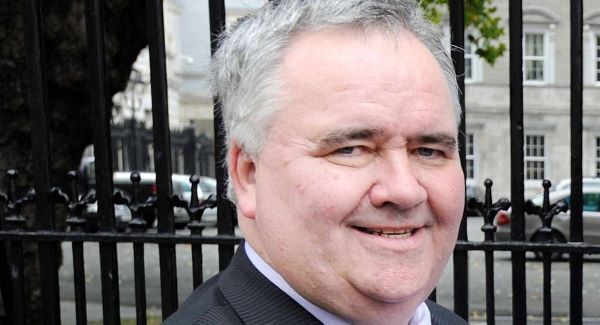
Labour Longford-Westmeath TD Willie Penrose, who led the campaign to overhaul the current laws, said it was time to give something back to debtors.
“Why punish people? That’s the concept, a punishment. Nobody goes into any businesses in this country, to actually fail. They didn’t fail on their own.
“We spent a considerable funding of taxpayers’ money of this country to actually bail out the financial institutions and others. This was a two-sided coin. Everybody else won except the unfortunate person who put their neck on the line, the innovators and entrepreneurs of this country, and we need them back.”
Mr Penrose pointed out its introduction would bring Ireland in line with Wales and the North among places where some Irish people with debts had already migrated to in order to avail of shorter bankruptcy terms.
Insolvency experts said the three-to-one-year reduction in the bankruptcy term would likely lead to quicker solutions being agreed with banks, otherwise lenders would lose out on assets being sold off quickly at low prices.
Public Expenditure Minister Brendan Howlin said it would help people recover from previous mistakes.
“Bankruptcy is not an easy option for anybody. It is the last option for somebody. The stigma of bankruptcy will still exist. The problems in relation to the court orders and paying back will continue for years after the bankruptcy,” he said.