Leo Varadkar set to rule out universal health insurance in Ireland
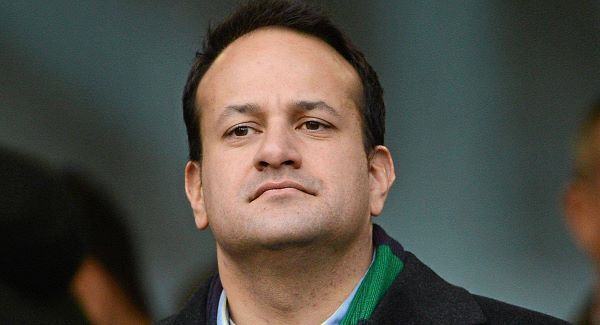
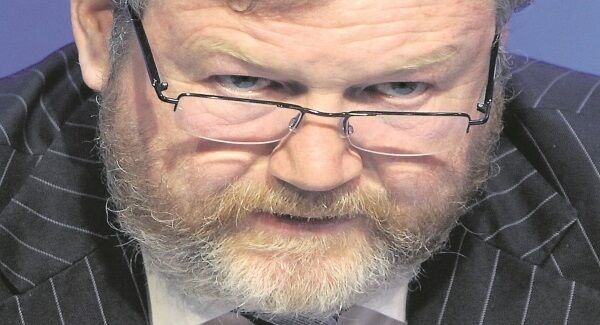
The Cabinet are to discuss the findings of three studies on Universal Health Insurance, which are said to have found the original model developed by predecessor James Reilly is too costly.
A Government source said the research will put an end to any plan to introduce the multi-payer model, which would have seen private insurers competing with each other and the public VHI to pay for aspects of healthcare, primarily GP and hospital care.
Early this year, Mr Varadkar hinted that he would not be going ahead with Mr Reilly’s system when he sought new research looking into other options.
It is understood the studies which Mr Varadkar will bring before Cabinet show the original model would involve additional costs of more than €650m, which the minister believes would not be outweighed by benefits in terms of improved patient outcomes, lower healthcare prices, or lower premiums.
The research carried out by the ESRI and KPMG argues for further investigations into alternatives.
It had been estimated the average annual premium for a UHI package, before any subsidy, comprising GP care, hospital care, and mental health care would be €2,228 for adults and €773 for children.
The actual cost to individuals would depend on the level of subsidy provided by the State.
A generous subsidy system in which the State paid in full for all medical card and GP visit card holders, all children, plus a subsidised cap to ensure no-one would pay a premium of over €1,200, would cost the exchequer €6.3bn each year.
Mr Varadkar has decided to carry out further research on alternative models of universal healthcare.
The minister said recently: “Discussing funding and how it might be raised in advance of deciding what sort of health service you actually want is, in my view, really a case of putting the cart before the horse.
“The vision must come first. And that vision should be patient centred, about access and outcomes for patients, not a vision centred on funding models.”
The Programme for Government had promised UHI by 2016.
But this plan was slowed down when Mr Varadkar took office and instead he switched the Government’s short term focus to universal primary care.
Last week, Mr Varadkar said that it would have been wrong to introduce UHI during the financial crisis as “neither the exchequer nor families would have been able to bear the considerable additional cost in terms of subsidies or increased insurance premia.”
CONNECT WITH US TODAY



Be the first to know the latest news and updates