188 water protesters arrested in 12 months
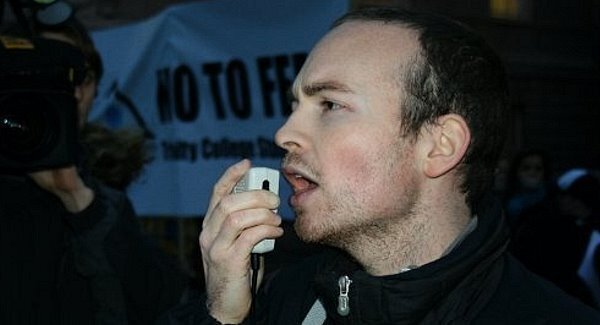
The figures come as Justice Minister Frances Fitzgerald confirmed the existence of a special Garda intelligence operation on water protesters.
Responding to parliamentary questions from Anti-Austerity Alliance TD Paul Murphy, Ms Fitzgerald said garda figures show that 188 people were arrested at water protests since last November.
They include 75 people under section 12 of the Water Services Act and 91 for public order offences. In addition, six were arrested for criminal damage, six for assault on gardaí or Irish Water staff, four for firearms/offensive weapons offences, three for endangerment, and one each for outstanding warrant, breach of bail and trespass.
Some 38 of the 188 arrested are due to face charges at the same sitting of Dublin District Court on November 2, in relation to two separate water protests.
Mr Murphy is one of 26 people facing charges in connection with a water charge protest in Jobstown, Tallaght, on November 15, during which Tánaiste Joan Burton and her adviser Karen O’Connell were kept in their car for more than two hours.
A further 12 people, including United Left Alliance TD Joan Collins, are facing public order charges in connection with a separate protest in Crumlin in April.
Meanwhile, Ms Fitzgerald confirmed to Mr Murphy that a specific garda water charge operation, code-named Mizen, did exist.
She said the operation was established as a National Co-ordination Office “to provide policing responses to maintain public order and to ensure the safety of all those involved in protests against water charges”. She said one of the avenues used by this team was “open source information”, which was generally available on the internet and social media.
Ms Fitzgerald said that Operation Mizen “does not engage in technical surveillance or lawful interception and that no public representative or member of the public is subject to such surveillance”.
Responding, Mr Murphy said: “This confirmation from the minister that there exists within the gardaí a special unit to keep under surveillance people who are taking part in the anti-water charges movement should cause serious worries across society to those who think that the right to protest is a fundamental democratic right.”
Mr Murphy said Ms Fitzgerald had stated that one of the avenues used by the operation was the monitoring of open source information.
“That sounds fine, but what other avenues are they using?” asked Mr Murphy.
“There are further questions which her reply raises — for instance, it says that Operation Mizen does not use ‘technical surveillance or lawful interception’ and that no elected representatives are under these specific forms of surveillance but does not rule out that they are under different forms of surveillance.”