State set to spend €130m on tackling fuel poverty
Some €130m is to be spent on energy efficiency programmes to help thousands of people struggling to pay high energy bills.

State set to spend €130m on tackling fuel poverty

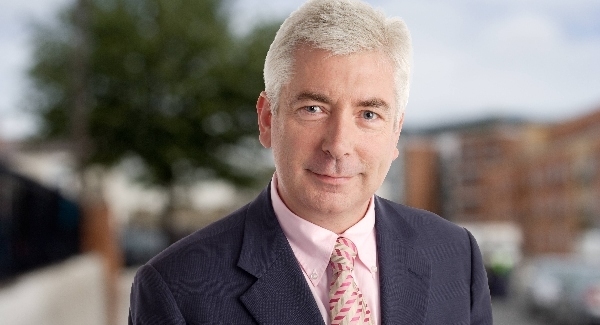
Speaking at the Energy Action annual fuel poverty conference in Dublin, Energy Minister Alex White said the Government’s Capital Plan allocated €130m in new money for energy efficiency and renewable energy programmes.

The money will fund a range of new measures including a renewable heat incentive, schemes to improve energy efficiency, and incentives to boost the take-up of electric vehicles.

Mr White said officials in his department were working with the HSE on the design of a new programme targeted at people with acute health conditions who live in poorly insulated homes.

The minister also used the conference to call on energy suppliers to pass on reductions in wholesale energy prices to consumers “as a quickly and as fully as possible”.

“Improving the energy efficiency of our homes is also the single most effective way to alleviate energy poverty,” said Mr White. “Evidence from St Vincent de Paul — and, indeed from the Warmer Homes Scheme which has so far upgraded some 120,000 homes — demonstrates that you can halve a household’s fuel bills by reducing the amount of energy we waste.”

The conference also heard that the rollout of smart meters across the country will mean energy suppliers will have to work harder to protect fuel-poor customers.

Christine Liddell of Ulster University warned against companies using “too much automation” in dealing with the fuel poor, who are already cutting their energy use “to the bone”.

“Smart meters are a great way of letting energy providers learn more about how customers use energy and what services would work best for them,” said Prof Liddell. “However, making sure we hold suppliers accountable for delivering better services, not just automated ones, is vital.”

Prof Liddell said that although studies show smart meters can help people cut down on how much gas and electricity they use, not everyone should be expected to use less energy after getting one.

“People living in fuel poverty have already cut their energy use to the bone, and for them the idea of being expected to use even less could be very unwelcome,” she said. “Energy companies will need to work especially hard to protect their fuel-poor customers.

“Making sure they are always on the cheapest tariffs, and signposting them to trusted energy advice centres will mean customers can be taken care of in a better way than ever before.

“Smart meters make this incredibly easy for companies to do because suppliers will have access, for the first time, to a customer’s complete energy profile.”

The conference heard that anything from 200,000 to 400,000 households in Ireland experience energy poverty.

More in this section

Lunchtime News

Newsletter

Keep up with stories of the day with our lunchtime news wrap and important breaking news alerts.

Cookie Policy Privacy Policy Brand Safety FAQ Help Contact Us Terms and Conditions

© Examiner Echo Group Limited