National ban on smoky coal set for 2018
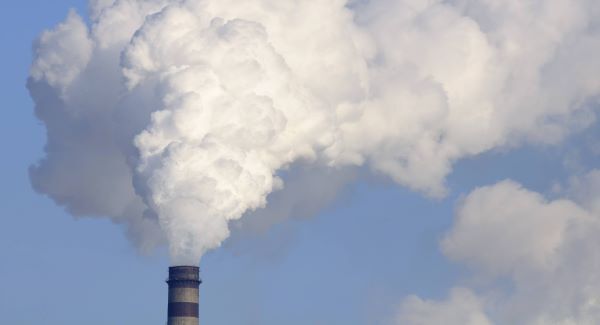
The extension has been announced after research revealed the anomaly of bigger cities having cleaner air in the winter months than some provincial towns.
Environment Minister Alan Kelly pointed to the obvious health benefits of cleaner air nationwide.
“It is right to extend the benefits of the ban on smoky coal nationwide,” he said. “These benefits include very significant reductions in respiratory problems and indeed mortalities from the effects of burning smoky coal.”
The extended ban comes after the Environmental Protection Agency (EPA) last year warned householders to rethink how they heat their homes as Ireland fell below World Health Organisation air pollution guidelines for four potentially harmful emissions.
In its clean air report last autumn, it said it was concerned about cancer-causing particulate matter and polycyclic aromatic hydrocarbons, which are produced by burning solid fuels, among others.
The EPA said local air quality was significantly impacted by using coal or peat in the home and from the amount of traffic in urban areas.
Government officials will consult with fuel sales firms before the ban comes into effect in 2018.
It is estimated that 8,000 lives have been saved in Dublin since former minister Mary Harney brought in the smoky coal ban in 1990.
Mr Kelly made the announcement at a conference in Wood Quay, Dublin, to mark the 25th anniversary of the reform.
He said: “The original ban in Dublin has been cited widely as a successful policy intervention and has become something of an icon within the clean air community.
“Ireland also became the first country in the world to introduce a nationwide smoking ban 10 years ago and I want us to now show similar leadership in relation to clean air policy.”
The original ban covered only Dublin. Ms Harney was a junior minister responsible for environmental decisions at a time when the capital was plagued by severe winter smog, mainly from coal fires in homes.
Its success was measured in the immediate fall in visible smoke and dangerous sulphur dioxide levels.
People with cardiac or respiratory conditions such as asthma noticed a vast improvement in their quality of life.
It was subsequently extended to Cork City in 1995 and a total of 26 urban areas where populations exceed 15,000.
Mr Kelly pointed to research by University College Cork which found air pollution in Killarney is 10 times higher during the night than through the day.
In 2013, 986 inspections were carried out by the EPA under the smoky coal ban and over 100 enforcement actions were initiated.
Sharon Cosgrove, CEO of the Asthma Society of Ireland said; “We are delighted with this milestone announcement from Minister for Environment Alan Kelly. The risk smoky coal poses to our health has now been recognised and tackled at source following years of campaigning.
“It is estimated that nearly 2,000 lives are lost on the island of Ireland each year from smoky coal pollution and today the right to clean air has been acknowledged Today’s ban will reduce coal ash production, a source of exposure to arsenic and other health-damaging metals.”