Eirgrid chief defends employee bonuses
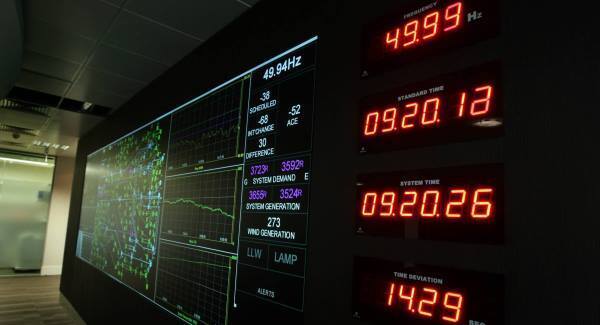
Eirgrid’s CEO Fintan Slye refuted allegations that staff receive bonuses of up to 15% and that the average salary is €97,000.
According to Mr Slye, the correct figures are in the region of 10% and €67,000 respectively.
He was responding to criticism from Mr Kinsella, lecturer in economics at the University of Limerick, who said the average electricity bill is set to rise considerably over the next five years in order to fund the development of smart meters and new electricity lines.
Speaking on RTÉ, Mr Slye said that Eirgrid had contractual commitments to staff which included performance-related pay but also had “a rigorous management system” in place.
“The average performance-related payment has been decreasing in recent years and has come down consistently year on year. It is now just over 10% and I don’t expect that to rise.”
Over 400 people work for Eirgrid with the average salary at €67,000, said Mr Slye, who added it was not the case all Eirgrid staff get a bonus.
“Everybody is not getting a bonus. Most of them would get some. Where people don’t meet their targets, they don’t get their bonus. A significant proportion have not got their bonus when they have not met their targets.”
Mr Slye said there had been significant public opposition to the transmission grid which prompted the company to look at people’s legitimate concerns.
“We published an extensive review. We need to spend more time engaging with communities and we are committed to that,” he said, adding the company was also determined to manage costs over the next five years.
Speaking earlier on RTÉ, Mr Kinsella said: “They are asking for a 1.9% increase in distribution charge so, if the average bill is about €1,043, that’s about €250-€260. The bill will go up by 1.9% in real terms which means that if the rate of inflation is 2%, that will mean an increase of 3.9%.
“It will result in an increase in bills for everybody. This is going to fund the development of smart meters and new electricity lines. It is really quite a jump for the average household.
“Some of this increase is also going to pay bonuses. The average salary is about €97,000 a year and the highest bonus paid is about 15.4%. Bonuses were paid out willy nilly and they only met about 14% of their targets.
“It doesn’t seem to be very congratulatory of people who were awarded these bonuses and it doesn’t seem as if the process was very transparent, so I can’t reconcile the notion that the customer is going to fund very large increases in the overall spend this company makes.”
However, the head of the Commission for Energy Regulation has said the increase to households will only be in the region of 1% and not 5%, as reported.
“The reason why it’s so little, given that amount of investment going in, is because there’s been a significant reduction in the cost of financing, so [because] Ireland’s in a much better place today than it was five years ago, we’ve been able to hand that benefit back to consumers,” said CER chairman Garrett Blaney.
“We’ve also made judicious cuts on the various costs that have come in and we’re demanding further efficiencies from the utilities.”
CONNECT WITH US TODAY



Be the first to know the latest news and updates