Food industry ‘should cut salt levels slowly’
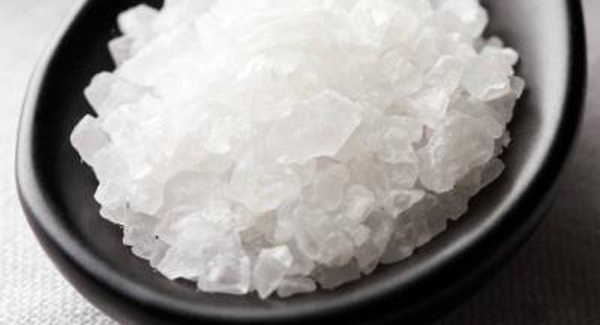
An Irish lecturer has won an international award for research which could reduce our national salt intake which is twice the recommended rate.

Food industry ‘should cut salt levels slowly’

Cork Institute of Technology (CIT) graduate, lecturer. and tutor Michael Barry has urged the food industry to reduce salt levels in processed food gradually so that their consumers do not notice any taste changes, and introduce standardised labelling to make it easier for people to make healthier choices.

And if the industry does not act, Mr Barry said the Government should step in.

“They should legislate on the food labelling issue or cap the amount of salt allowed in processed foods,” he said.

Mr Barry, aged 25, who is from Carrigaline in Co Cork, completed his business degree and masters in business research in CIT.

He presented his paper, ‘Shaking off the Salt Habit: The Gradual Reduction in Salt Consumption’ at the International Association of Non Profit Marketing conference in Brazil, an annual gathering of experts in marketing which aims to improve public health and safety.

Mr Barry won the award for the best paper in English for his work, which set out to tackle a major public health issues.

The average Irish daily intake of salt is almost double the World Health Organisation’s recommended rate of 10grms per adult.

Research demonstrates that 80% of our salt intake is involuntary and comes through the consumption of manufactured or processed foods.

More people die from cardiovascular disease than any other cause in Ireland and there is a direct link between high salt intake and high blood pressure, which contributes to cardiovascular diseases.

Mr Barry examined how Finland, which had one of the world’s highest salt intakes per head of population, aggressively tackled the issue.

He found that, through a combination of education, government backing, and food industry involvement, the Finnish have reduced their daily salt intake target to just 4g per adult.

They have also reduced stroke deaths by 80% and seen a huge reduction in average blood pressure levels.

The governments in Australia and the US have also set reduced daily salt intake targets of between 3g to 6g.

The UK 2004’s salt reduction strategy led to a reduction in salt intake from 9.5g to 8.6g by May 2008.

“People know that smoking and drinking to excess is bad for them but people don’t really realise how bad a high salt intake can be,” Mr Barry said.

“Lots of people think that if they don’t add salt to their food, they’ll be OK. But people aren’t aware that much of the salt we consumer is already added to the processed food we eat.

“People are living busier and faster lives but the convenience in our food is coming at a cost, and that cost is higher salt intake.”

Mr Barry’s study advocates collaboration with the food industry, especially on clearer food labelling, such as the traffic light system.

His research was conducted under the supervision of Maurice Murphy, a lecturer in business in CIT.

“This work provides a valuable contribution to the debate on salt intake and I would hope that food producers will take note of this research,” Mr Murphy said.

“It is essential that action be taken to prioritise the reduction of salt from processed foods.”

Convenience comes at a price

Sliced pan:

Salt is used to extend the bread’s shelf life.

Meats:

Some pre-packed meats, such as bacon joints, rashers, and sausages, as well as black puddings, contain high levels of salt, which is employed for its preservative qualities.

Pre-packed ready meals and sauces:

Convenience comes at a price. Most of the ready-meals and flavour sauces added to meals have very high levels of salt.

Packets of noodles:

The flavour sachets added to rehydrated noodles have high salt content.

More in this section

Lunchtime News

Newsletter

Keep up with stories of the day with our lunchtime news wrap and important breaking news alerts.

Cookie Policy Privacy Policy Brand Safety FAQ Help Contact Us Terms and Conditions

© Examiner Echo Group Limited