94% of junior schools run book rental schemes
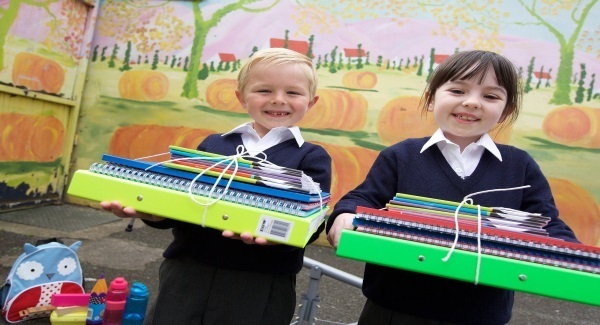
Nearly all primary schools are now operating some level of book rental scheme, according to the Department of Education.

94% of junior schools run book rental schemes

It found that the number running a book scheme has jumped from 77% of the country’s 3,300 primary schools in 2011 to 94% in 2014. The biggest increase was last year when it increased from 84% a year earlier.

However, while dedicated funds to help primary schools open a loan programme if they did not previously have one has helped, most recent information shows only 68% of second-level schools operate such schemes.

The figures do not make clear, for either primary or second-level, whether these are full or partial rental schemes. Schools can decide, for example, only to offer books through a scheme initially for certain classes or year groups, or for a limited number of subjects at first, and gradually expanding.

Beginning last year, a €15m fund has been available over three years to support the establishment of rental schemes in primary schools that did not already have one.

It provides €100 for each child in those primary schools, with €150 for every pupil at schools in the department’s Deis educational disadvantage initiative.

Most of the funding was issued last year, with almost one-third received by those schools last May.

The department said schools which qualified for this funding had to complete a declaration form that they would set up a textbook loan or rental scheme, and all the money would be used exclusively for that purpose.

There was initial controversy the one-off funding was seen to reward schools which had not started rental schemes through their own fundraising or other sources.

However, primary schools that had a scheme before 2014 received the first instalment of a two-year grant in May to help update their book stocks.

They got €7 per pupil this year and will get another €11 in 2016 for each child, with DEIS primary schools receiving €1 extra per pupil, or a total of €20.

Schools qualifying for this funding must also ensure it is used solely for funding their rental schemes.

While such schemes can have major benefits, they also require a lot of organisation, particularly at start-up stage, and at the end of each school year must pay for repairs or replacing damaged or lost books.

Workbook woes

Workbooks anger parents, who complain they can only be bought new.

A school publishers’ representative group said their use is a matter for individual teachers or schools.

Department of Education guidelines advise schools on workbook alternatives, or ways to facilitate their re-use:

Old-fashioned copybooks can be used for answers to workbook questions;

Clearboards are like plastic pockets, into which workbooks fit. Pupils can write answers on the plastic sheet with a marker, which can be easily cleaned off for re-use;

Photocopyable master workbooks can legally be photocopied, but copying costs can exceed expected workbook savings;

Electronic versions of workbooks, available from most publishers, can be used by the whole class from an interactive whiteboard.

x

More in this section

Lunchtime News

Newsletter

Keep up with stories of the day with our lunchtime news wrap and important breaking news alerts.

Cookie Policy Privacy Policy Brand Safety FAQ Help Contact Us Terms and Conditions

© Examiner Echo Group Limited