Gardaí ‘failed in duty’ in abuse inquiries
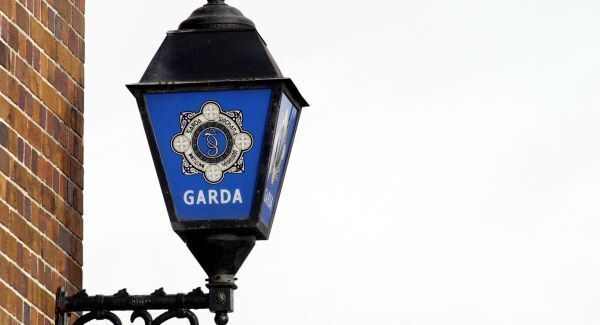
The Garda Síochána Ombudsman Commission said there was “evidence to suggest” that two officers may have breached disciplinary regulations.
However, the two gardaí have retired in recent years and are no longer subject to Garda discipline.
GSOC set up a public interest inquiry in March 2012 on foot of the findings of the ‘Commission of Investigation Report into the Catholic Diocese of Cloyne’, published in July 2011.
The Cloyne Commission concluded, on balance, that gardaí did not conduct “any proper investigation” into complaints of historical child sexual abuse from two victims. The cases related to a priest, given the pseudonym Fr Corin in the report.
Two people, named as Nia and Oifa, made complaints in the mid-1990s regarding abuse allegedly carried out on them by Fr Corin in the late 1960s.
Nia made her complaint to Church authorities, who referred the matter to Macroom Garda Station, Co Cork.
Oifa made very similar allegations to the Mid Western Health Board and gave a statement to gardaí in Henry Street in Limerick City.
The GSOC report concluded there were “failures of systems and individuals” in both cases.
“It became evident in the course of the investigation that the existence of these allegations was known to different individual gardaí in Macroom, Co Cork, and Henry Street, Limerick,” read the report.
“The fact that they were known to gardaí and not investigated formally indicates the Garda Síochána as an organisation failed in its duty.”
It said there was no evidence of a criminal offence being committed by gardaí.
In the Nia case, it said its investigation found that “no investigation was directed, or conducted, by the receiving garda”.
It said the district officer (superintendent) was the recipient of the complaint.
“The district officer did not provide any evidence to support his claim that he believed that an investigation was being conducted,” GSOC said.
It said numerous searches for relevant documents were conducted at Macroom station, but that none could be found.
“Additionally, gardaí that were serving at that Garda station in 1996, when interviewed, did not recall an investigation being conducted,” said the report.
It said the absence of any document or any account of an investigation made it “clear” that the district officer did not ensure a formal investigation of the complaints referred to him.
“His actions may have amounted to a neglect of duty under the Garda Síochána (Discipline) Regulations. As he is retired, he is no longer subject to such regulations.”
As well as failures on the part of the Mid Western Health Board regarding Oifa, the GSOC report said there were deficiencies with how gardaí in Henry Street handled her case.
It said a statement from her was taken by a female garda at the request of a male colleague.
“It has transpired that the victim Oifa, was related by marriage to the garda who requested his colleague to take the statement,” it said.
GSOC said this action was “unsanctioned” and not part of a formal investigation. It said it was possible it was an attempt by the male garda “to appease the victim, as a favour from one relation to another”.
It said the statement could not be located by any of the persons involved and that the “reasons for the non-existence of an investigation remain unclear”.
The report said the garda who asked his female colleague to take the statement “may have committed an act amounting to a neglect of duty” but, given he was retired, he was no longer subject to Garda discipline.
CONNECT WITH US TODAY



Be the first to know the latest news and updates