Call for zero-Vat rating for student housing
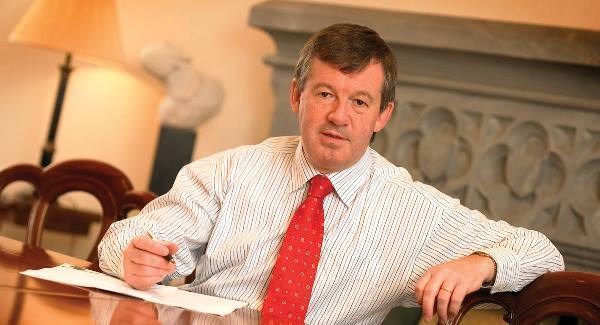
University College Cork president Dr Michael Murphy said the benefits of applying the same zero-Vat already in place for social housing to building student facilities would extend into the wider economy.
He made his remarks to Taoiseach Enda Kenny at last weekend’s opening of UCC’s Beaufort Building, the new €15m home in Cork harbour to 135 marine and renewable energy researchers.
Dr Murphy said internationally mobile students are attracted to Ireland by the country’s reputation, grounded primarily on research outputs such as those from the latest addition to the UCC campus.
“But we in the university sector need a little help with this, which will provide substantial net benefit and more jobs. We have to build accommodation, in our case 800 beds, and we will only be able to do so in time if we can leverage the private sector to invest,” he said.
The UCC president said it was currently uneconomic to build, but the gap between cost and economic return could be met if zero-Vat rating for student housing were adopted here, as applied in the UK and to social housing here.
“This is not tax lost, there is nothing to tax, but foregoing Vat on student accommodation will allow building, with consequent employment tax and taxes on resultant economic activity,” he told Mr Kenny.
Last week, the Union of Students in Ireland warned of the need for more purpose-built student accommodation to help alleviate difficulties facing college students seeking affordable rents, particularly in Dublin and in large towns.
The latest Dublin Institute of Technology cost of living guide suggested the average cost of a room in the capital has shot up 12% since last year to €418 a month, and outside Dublin it is up 6% to €325.
Dr Murphy drew the Taoiseach’s attention to recent evidence from the US that almost 20% of university research investment was spent in the local county, 20% in the state and the rest nationally.
He said every tax euro spent on research at UCC leverages 30c from other sources like the EU or from business, and the figure is rising.
The returns on individual investment in higher education, such as college tuition fees, were also highlighted.
Dr Murphy referred to a 2013 OECD report showing Ireland has one of the highest returns from investment in higher education in lifetime earnings for individuals and in taxation income.
Despite a 30% drop in income per student from peak Government investment at third-level, and colleges catering for 10% more students with 15% fewer staff than five years ago, he said UCC and other universities have done well in many recent rankings.
As third-level undergraduates face a hike of €250 in student fees to €3,000 this autumn, work is continuing on another review of higher education funding and on who should pay for the system.
The group chaired by ex-general secretary of the Irish Congress of Trade Unions, Peter Cassells, is due to report by the end of the year to Education Minister Jan O’Sullivan.
However, any political decision on whether to re-introduce full student tuition fees is unlikely before the next general election.