Banking Inquiry: Press release drafted six hours before guarantee
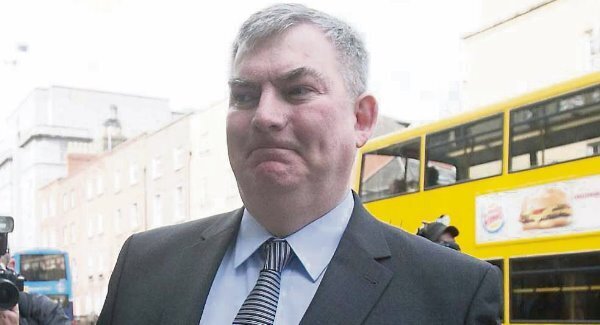
A senior official with the Department of Finance at the time confirmed the situation during the latest meeting of the Oireachtas bank inquiry yesterday.
Responding to revelations from Labour senator Susan O’Keeffe that department officials received an email from the Central Bank at 9.11pm on September 29, 2008, outlining the deal, then assistant secretary general William Beausang admitted this was the case.
He said his “electronic files” confirm the correspondence was sent six hours before any formal negotiations to set up the deal with the banks was made. He gave specific details on the scope and length of the deal which were subsequently used by government.
“At 21.11pm I received a document intended to be a draft government press release announcing the introduction of a guarantee for the domestic banks,” said Mr Beausang, who transferred to the Department of Public Expenditure and Reform in 2011.
“It appears to have been authored earlier in the evening in the Central Bank in advance of the commencement of the meeting in Government Buildings.”
While the situation led to concerns from Ms O’Keeffe and Fine Gael TD Kieran O’Donnell that the guarantee was effectively signed and sealed before any real discussions occurred, Mr Beausang said that this was not the case.
He said the email was for preparatory purposes, and that he had no contact with the banks beforehand.
Meanwhile, at an earlier meeting of the banking inquiry yesterday morning, the Department of Finance’s chief economist said that, in the lead-up to the crash, political pressure meant “nuanced” changes were sometimes made to economic stability predictions.
John McCarthy said that “I would agree there was some over-politicisation” and that the decisions were coming from “beyond my pay grade”.
Questioned by Mr O’Donnell about whether negative economic outlooks were suppressed, Mr McCarthy said this was not the case but confirmed changes were sometimes made to initial reports.
He said this included the fact that “insufficient consideration” was often given to the fact six out of seven budgets before the crash saw “already generous spending exceeded” but “offset by higher than anticipated revenue flows”.