25% of income needed to buy basket of healthy food
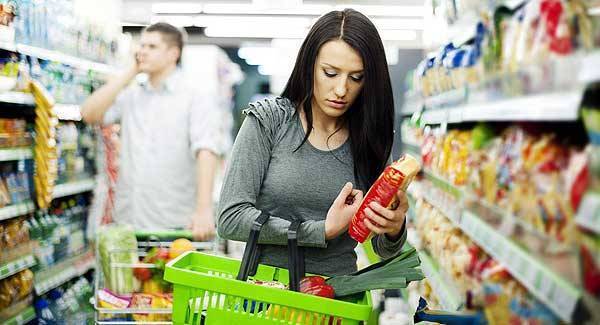
Low-income households need to spend at least one quarter of their income to afford to buy a basket of healthy food.

25% of income needed to buy basket of healthy food

According to research by Safefood, the weekly cost of a healthy food basket ranged from €66 for a single pensioner to €165 for a family of two adults and two children — with households in rural areas facing bigger food costs compared with urban households.

The research, which was led by consumers themselves, gives an actual cost on a healthy food basket for six types of Irish households in both urban and rural locations.


The weekly food basket was also based on current nutritional guidelines for all members of that household.

Safefood said given that many household costs such as rent are fixed, food is often regarded as the flexible spend in a household budget and the last item that needs to be paid for, leading to those living on low incomes at particular risk of a poor diet.

Safefood pointed out that recent data from the Organisation for Economic Co-operation and Development has shown that the number of people believing they cannot afford food doubled from 4.2% in 2008 to 9% last year, while Eurostat figures show that in 2013, food and non-alcoholic beverage prices in Ireland were 17% higher than the EU average.

Further research by Carney and Maitre, using data from the survey on income and living conditions, found that one in 10 people here are living in food poverty.

Food poverty is defined as the inability to have an adequate and nutritious diet due to issues of affordability and access to food.

Director of the Vincentian Partnership for Social Justice who conducted the Food Basket survey, Bernadette MacMahon, said spending on food tends to be one of the least important considerations when households are struggling with competing demands on a low income.

“Without a minimum adequate income, having a nutritious and healthy diet is an ongoing struggle for many low income households in Ireland today.

“Food poverty is the inevitable consequence for a large proportion of these households,” she said.

Director of human health and nutrition with Safefood, Cliodhna Foley-Nolan, said food poverty can have both short and long-term health effects on children and adults.

“Families living on stretched budgets eat less well and on a day-to-day basis can have poorer energy levels.

“Longer-term, the consequences can be a shorter life-expectancy and higher rates of diet-related chronic diseases such as osteoporosis, Type 2 diabetes, obesity and certain cancers.

“In trying to make a limited household budget go further, people often fill up on high-calorie foods so are ending up nutritionally poor,” she said.

More in this section

Lunchtime News

Newsletter

Get a lunch briefing straight to your inbox at noon daily. Also be the first to know with our occasional Breaking News emails.

Cookie Policy Privacy Policy Brand Safety FAQ Help Contact Us Terms and Conditions

© Examiner Echo Group Limited