Hauliers say leave drink and drug tests to gardaí
The Oireachtas transport committee heard there were question marks over the rationale behind the requirement, which is part of the Road Traffic Bill currently being drawn up.
Gerry McMahon, honorary secretary of the Irish Road Haulage Association, which opposes the plan, said it would be impractical and cumbersome on employers to implement.
“This is a mobile sector. We employ people who work everywhere, not just in Ireland, and who work 24-7,” he said.
“It’s not as if everybody arrives for work on site at 9 in the morning and we have a supervisor who can say everybody looks OK.
“An employer may not see an employee for weeks back at their own premises. You place trust in your employee which has worked to date. I don’t know where the precedent is coming from for this.
“We as employers should not be requested to become enforcers. We have the Garda Síochána and the Road Safety Authority who are both competent and trained to be enforcers.”
Fianna Fáil transport spokesman Timmy Dooley said numbers in the Garda Traffic Corps had been reduced and he feared this is an attempt to shift the burden of detection and enforcement from gardaí to employers.
“I am deeply concerned that the thrust of the legislation is moving the responsibility out of the hands of the gardaí and perhaps it’s being done for financial reasons and hoping that some of that responsibility can be taken up by the hauliers.”
John Twomey, the assistant Garda commissioner and head of the Garda National Traffic Bureau, assured the committee there was no let-up in Garda commitment.
“We are continuing to enforce the Road Traffic Act out on the public roads and we will continue to work as hard as we possibly can — that’s the entire organisation, not just the national traffic corps,” he said.
The Road Traffic Bill proposes that employers be made legally obliged to test for intoxicants where they suspect someone is unfit to drive and to carry out random testing on all drivers.
Testing would have to be carried out by a professional doctor or nurse, the results checked in a lab, and a disciplinary process, appeals system, and counselling supports put in place where a driver tested positive.
The heads of the bill published say the measure is aimed mainly at larger transport and passenger-carrying companies but do not specify what size or type of firm would be excluded.
Mr McMahon said the costs would be unsustainable for an industry already struggling to survive. “It’s very hard to quantify [the costs] until we know the exact details but on initial reading it’s a step too far.”
Independent TD Michael Fitzmaurice said an alternative measure would be to ensure all new lorries and passenger vehicles sold in the country would come fitted with alcolocks — a device that prevents the engine starting if it detects alcohol on the breath of the driver.
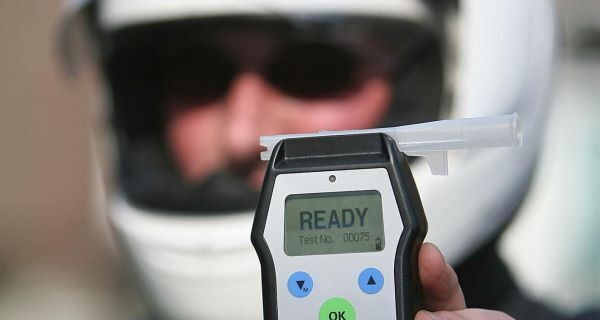
The committee also heard that there is no breathalyser-type gadget currently in use in Ireland that provides automatic detection of drugs in the system.
The Medical Bureau of Road Safety is testing various models for use in roadside tests by gardaí.