EU given guidance on donor ban for gay men
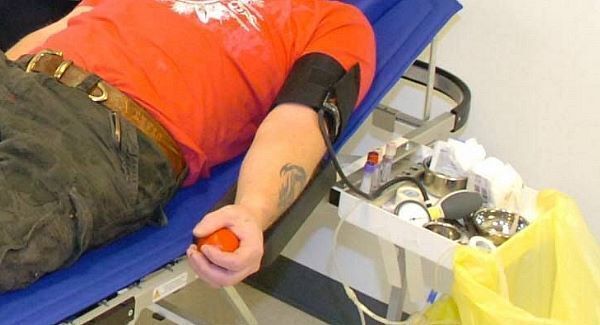
The ruling was closely watched by activists and by governments that have lifetime bans on homosexual male blood donors, including the United States.
Most such bans were imposed early in the Aids crisis, because sexually active gay men are more likely than other groups to contract HIV, the virus that causes Aids.
But activists and some medical groups say a lifetime ban is no longer justified, given advances in HIV testing.
Frenchman Geoffrey Leger had protested France’s ban, and his complaint reached the Luxembourg-based EU court.
The court found that France’s law is “liable to discriminate against male homosexuals on the basis of sexual orientation,” which is against EU policy.
But it said lifetime bans may be justified if a donor presents a high risk of acquiring severe infectious diseases and there is no other method to protect blood recipients.
It returned the case to the original French court that handled Leger’s case for further study.
Ahead of the ruling, the French government had already started moving toward relaxing the ban.
A French health spokesperson said after yesterday’s ruling that discriminating against donors based on their sexual orientation was “unacceptable”.
French officials are considering a rule that limits the ban to anyone who has had risky sexual activity in the past year, instead of a lifetime ban.
In the US, federal health officials recently recommended an end to the lifetime ban on blood donations from gay and bisexual men, and replacing it with a policy barring donations from men who have had sex with other men in the previous 12 months.
France barred homosexual blood donors in 1983 as the world scrambled to find a way to halt the spread of HIV/Aids .
Advances in detection and treatment have helped bring the disease under control and in April, the French government proposed to end a ban which many think stigmatises the homosexual community and should be reconsidered.
Britain ended its donor ban in 2011.
French minister for social affairs, health and women’s rights, Marisol Touraine, said discrimination against potential blood donors on the basis of sexual orientation was unacceptable. She said she supported removing all references to sexual orientation in questionnaires for blood donors and making the exclusion temporary.
France has the highest rate of HIV among homosexual men in Europe. Half of those newly infected with HIV between 2003 and 2008 were men who had had sexual relations with other men, according to the ECJ.
READ MORE: No campaign is also devaluing single parents
READ MORE: Referendum ad sparks controversy
READ MORE: OPINION: Marriage Equality Referendum: No campaign does not value each child
DISCOVER MORE CONTENT LIKE THIS

CONNECT WITH US TODAY



Be the first to know the latest news and updates