Dwyer likely to spend 20 years behind bars
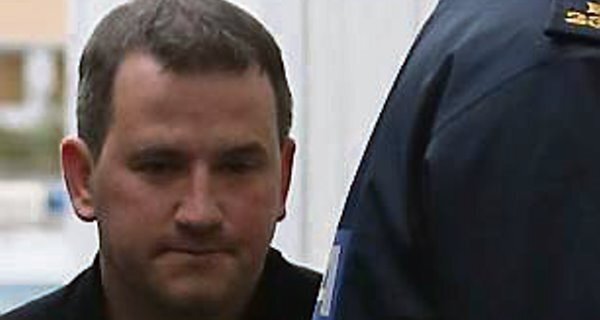
He is likely to spend some 20 years — and possibly more — behind bars before he is released on licence.
The average jail term served by life sentence prisoners before they get out is currently around 18 years, according to official prison figures.
The duration has increased considerably over the decades, from just under 12 years between 1985 and 1994, to 18 years between 2005 and 2013.
The figure has peaked in recent years — notably in 2012, when the average rose to 22 years — but it is thought this was because it was the year that Malcom MacArthur was released and Geoffrey Evans died.
MacArthur had served 30 years for the 1982 murders of Bridie Gargan and Donal Dunne by the time he got out in September 2012.
Save for the outcome of any appeal, Dwyer is likely to join a small circle of inmates serving the longest terms in Irish prisons.
In addition to MacArthur, other members of the club include John Shaw. He has so far served 38 years for the rape, torture, and murder of Elizabeth Plunkett in Co Wicklow and Mary Duffy in Co Mayo in 1976, along with his accomplice Geoffrey Evans, who died in 2012.
Jimmy Ennis has spent an estimated 47 years in prison for beating Cork farmer George Appleby to death with an iron bar in 1964. It is thought the 80-year-old was given release in recent years but was unable to cope and was returned to prison.
Other club members include the Garda-killers Noel Callan and Michael McHugh, who have served almost 30 years for the murder of Sergeant Patrick Morrissey in June 1985.
Those sentenced to life can make applications to the Parole Board for release, generally after seven years is served. The board is obliged to consider the “nature and gravity” of the offence, any recommendations from the court, and the danger posed to the public if released.
However, the board will also consider engagement by the offender with psychological and therapeutic services in prison and behaviour while in custody.
Currently, the board makes a recommendation to the justice minister, who has the ultimate decision.
AdVIC, a support group for families of homicide victims, has called the term life sentence “misleading” and wants minimum tariffs of 15, 25, and 30 years and whole- life orders.
Spokesman John O’Keeffe said: “Dwyer will technically be eligible for parole in seven years so the phrase a minimum sentence of seven years is more apt. From a victim’s family’s perspective, the fact that their loved one’s killer will have their case referred to the parole board after such a short period of time is a traumatic experience. This is one of the reasons why AdVIC believes that starting tariffs should be introduced for homicide offences.”
Dwyer was brought to his single cell in the committal unit of Mountjoy yesterday following his sentencing at the Central Criminal Courts.
He will spend 24 hours there, and possibly longer, while prison bosses decide which institution he should serve his sentence in.
While it is possible he could stay in Mountjoy, it is more likely that he will be transferred to the likes of Wheatfield Prison in Dublin or the Midlands Prison in Portlaoise. Arbour Hill Prison in Dublin, which is primarily for sex offenders, is also a possibility.
Dwyer will be assessed by a range of people in his first 24 hours, including nurses, doctors, and the prison governor. If deemed necessary, he could also be assessed by a psychologist.