Figures reveal surge in Ireland's economic recovery
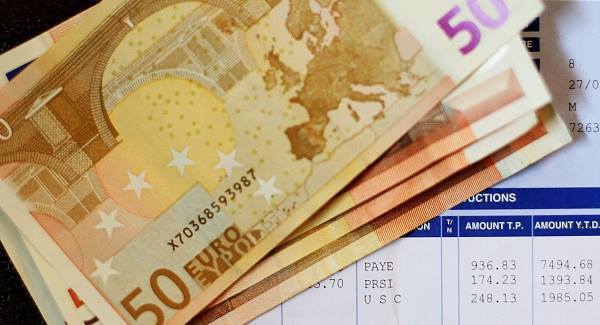
More job opportunities, increased consumer spending, improved manufacturing and exports figures are among a range of positive economic indicators outlined by the Central Bank showing the scope of our economic recovery is broadening for the first time in nearly a decade.

Figures reveal surge in Ireland's economic recovery

In its second economic bulletin of the year, the Central Bank said that the momentum of recovery in the economy “continues to build and broaden”, with the bank noting that increasing consumer spending and the domestic economy are now making a positive contribution to growth for the first time since before the global recession in 2007.

The Central Bank predicts that the economy should grow by nearly 4% this year. Crucially, it added, that for the first time in eight years, growth will be driven by an uptake in domestic demand and won’t be wholly reliant on export performance.

The figures come as healthy exchequer returns today are set to reveal increases in Vat and income tax. Up to 1,000 jobs will also be announced through the development of a €100m holiday park in Longford.

Overall, the Central Bank thinks the economy in GDP terms (which includes the financial contribution from multinational companies) will grow by 3.8% this year and 3.7% in 2016. The 2015 forecast represents a 0.1% increase from the last bulletin, published in early February. But, the 2016 forecast has been marginally decreased by the same percentage.

“While there is little change to the overall outlook for GDP growth in 2015 and 2016, the composition of growth is slightly changed, with domestic demand now seen as making a stronger contribution than previously envisaged,” the bank said in its latest outlook.

The upbeat prognosis on the jobs front was matched by latest CSO Live Register figures showing that the standardised unemployment rate dipped by 0.1%, to 10%, in March. The number of people signing on the Live Register fell last month by 4,700, or 1.3%, to 350,600, the lowest level since February 2009.

“The unemployment rate remains the key indicator as far as the economy is concerned, and significant progress is being made in terms of bringing it down.

“Assuming the economy continues to grow strongly in 2015, as we expect, an average jobless rate of 9.7% is now envisaged for this year, down from 11.3% in 2014 and 13.1% in 2013. The figure for December 2015, itself, is likely to be around the 9% level,” according to Alan McQuaid, chief economist at Merrion Stockbrokers.

The Central Bank sees the unemployment rate falling to 9.8% this year, before the aforementioned 8.7% level is reached next year. Davy Stockbrokers recently forecast unemployment to dip to 8.2% next year, before dipping as low as 7% in 2017.

The Central Bank, meanwhile, predicts exports growing by 5.7% this year and 5.8% next. While ‘contract manufacturing’, where manufacturing take place overseas but booked on Irish firms’ national accounts, has been accused of artificially swelling export figures, Central Bank economist John Flynn said that practice has largely “washed through” the system.

Meanwhile, Finance Minister Michael Noonan has slammed “outdated” estimates used to benchmark what Ireland spends under EU rules on next year’s budget. The restrictions were set during the crash.

He has already asked European counterparts to ease the fiscal rules, given economic changes.

Mr Noonan said Brussels was still applying rules on the belief that a million people would emigrate from Ireland.

READ MORE: Calls to end Good Friday alcohol sales ban

Read more of today’s news here

More in this section

Lunchtime News

Newsletter

Keep up with stories of the day with our lunchtime news wrap and important breaking news alerts.

Cookie Policy Privacy Policy Brand Safety FAQ Help Contact Us Terms and Conditions

© Examiner Echo Group Limited