Limerick gardaí ‘defeated evil criminals in city’
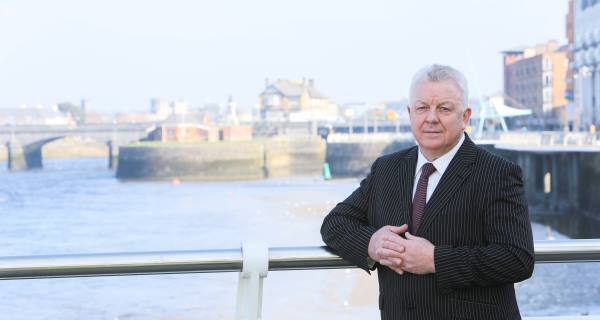
After leading the fight against serious crime in Limerick over the last 30 years, the detective who investigated 19 feud-related killings has declared "the city is like any normal city now".

Limerick gardaí ‘defeated  evil criminals in city’

Detective Superintendent Jim Browne admits that, at the height of the violence, as the US fought a war on evil and terror, gardaí in Limerick were dealing with “a war on evil and urban terrorists” who, he says, were armed with an array of paramilitary weaponry, including rocket launchers, AK47s, semi-automatic guns and hand grenades.

As he prepares to retire tomorrow, the native of Ballyviniter in Mallow recalls the “evil, volatile and extremely dangerous men” behind the frequent murders, shootings, assaults, threats and arsons — but also how his officers, bolstered by additional armed resources deployed from around the country, put the criminals out of business. That dedication has led to a point where there has not been a gangland murder in Limerick since 2010.

“There are very few unsolved gangland crimes here,” he says. “All the high-profile murders have been solved and the courts have been high in their praise for the high standards and professionalism of my colleagues. The city is like any normal city now.”

Since he joined the city’s detective branch in 1982, one of Det Supt Browne’s toughest battles was against the scourge of witness intimidation, something he encountered very early in his career, at a double murder investigation.

“Two McCarthy brothers, Tommy and Sammy, were murdered on Thomond Bridge after a row in the nearby Treaty Bar,” he said. “While it was a most brutal crime, it took on more significance over the years, as it was to be the first time I came face-to-face with witnesses being intimidated and changing their statements in court, against the main suspect who was charged.

“It took 24 years for a law to be introduced, after Liam Keane gave the infamous two fingers after being cleared of the murder of Eric Leamy, and Judge Carney referred to the collective amnesia of state witnesses.

“The State and society began to say something needed to be done about this and Section 16 of the Criminal Justice Act 2006 was enacted, which allowed a court or jury to assess statements and make up their own minds. This legislation has proven extremely beneficial in tackling gangland and organised crime.”

Read more of today’s news here

More in this section

Lunchtime News

Newsletter

Keep up with stories of the day with our lunchtime news wrap and important breaking news alerts.

Cookie Policy Privacy Policy Brand Safety FAQ Help Contact Us Terms and Conditions

© Examiner Echo Group Limited