Doubts at hospitals’ will to ease shortages
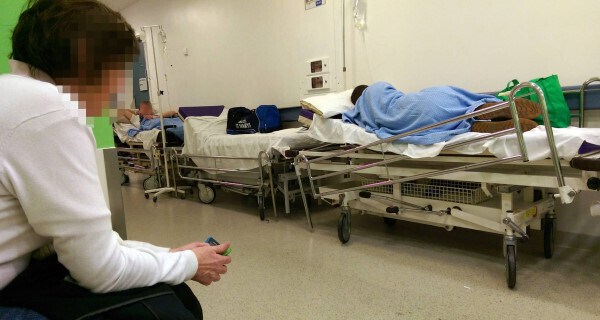
At 530, the number of patients on trolleys yesterday remained alarmingly high, if some way off the record January figure of 601.
The situation in Our Lady of Lourdes Hospital, Drogheda, was particularly acute, with 40 patients on trolleys in the ED, 10 patients on trolleys on already full wards, and 13 in the medical assessment unit, according to the Irish Nurses and Midwives Organisation (INMO).
The INMO said some elderly patients had spent up to five days on a trolley.
The Labour Relations Commission is due to chair talks between the nursing union and hospital management today in an effort to resolve the crisis.
Meanwhile, creeping numbers of flu cases requiring hospitalisation are putting further pressure on resources.
As of January 25, 58 confirmed flu cases were reported as hospitalised, eight confirmed cases were admitted to critical care units, and six confirmed flu-associated deaths had been reported to Health Protection Surveillance Centre.
The Irish Association of Emergency Medicine (IAEM) said it was “deeply concerned” about the likely impact of influenza on already crowded EDs, especially as many of this year’s flu cases were caused by a virus for which the vaccine is less effective.
“This means that we may expect worse outcomes from any outbreak,” said an IAEM spokesperson. “The elderly and the medically vulnerable patients who are the group waiting hospital admission are especially at risk from this potentially fatal condition.”
The IAEM has called for the immediate implementation of the ED taskforce’s recommendations.
However, the Irish Hospital Consultants Association (IHCA) said yesterday the taskforce draft action plan “lacks an adequate commitment of resources to meet the targets to deliver the care patients need”.
IHCA president Dr Gerard Crotty said the plan needed to confirm the “overall objective that no patient should have to wait on a trolley after the decision to admit has been taken in an emergency department”.
“This is essential from a medical care perspective. Targets for the delivery of acute care should be based on medical need and not budget limits which are inadequate.
“Furthermore, additional beds and appropriate front line staffing levels must be provided to address the chronic overcrowding in acute hospitals and the trolley crisis, which is creating unacceptable levels of risk and danger to patients. We feel the draft Action Plan lacks clear, concrete, workable recommendations to provide the increased capacity that is needed.”
The IHCA also called for vacant consultant posts in both acute hospitals and mental health services to be filled. Up to 300 consultant posts in public hospitals are currently vacant, a result of a 30% pay cut in 2012, according to the doctors’ unions.
CONNECT WITH US TODAY



Be the first to know the latest news and updates