Other options exist beyond abortion, says support group
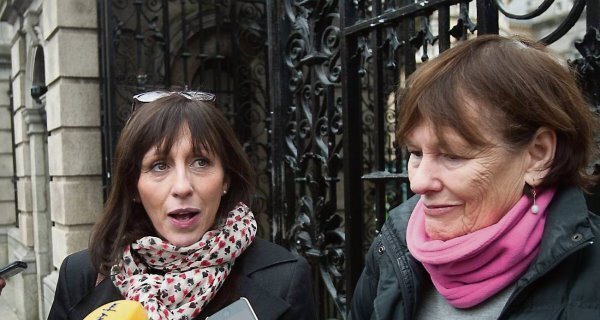
Parents with campaign group One Day More yesterday met TDs in Leinster House. They criticised the focus on abortion in the Dáil this week, amid debate on laws for fatal foetal abnormality cases.
Group member Maura O’Riordan said some parents carrying terminally ill unborn babies did not want to help their children die, but help them live to the end of their life.

She described how her own daughter, Laura, was born 20 years ago with Edwards Syndrome, a rare condition where babies are born underweight and with underdeveloped organs.
“We were given very little help, we were told that the baby wouldn’t live. She was in hospital for a while. We decided ourselves we didn’t know how long our baby was going to live, but we would do whatever we could with how long she was going to be with us. We learnt how to tube feed her, because she couldn’t feed herself, and we brought her home and she became part of the family.”
But Ms O’Riordan’s baby died after seven months.
Fellow campaigner Jennifer Kehoe was told by doctors when pregnant that she should travel to England to have an abortion, as her baby had a congenital heart defect and brain disorder. Despite the diagnosis, baby Louise defied the odds and is now almost five years old.
Ms Kehoe said better care services were needed and that there may be other options beyond abortion.
“We are aware of very traumatic cases where women have returned to Ireland after aborting their babies with life-limiting conditions only to learn upon their return of the existence of Perinatal Hospice Care as an alternative to abortion.”
One Day More discussed their concerns with politicians yesterday, including Dublin TD Terence Flanagan, who was kicked out of Fine Gael parliamentary party for voting against the Coalition’s abortion legislation. The group agreed the issue of whether women pregnant with terminally-ill babies would be allowed terminations in Ireland should go before the people for a vote in a referendum.
However, support for a special pathway of care for parents was also needed, the two women said.
“There is another way. Ninety-nine per cent of these babies are born alive,” said Ms O’Riordan.