Geoghegan murderer appeals his conviction
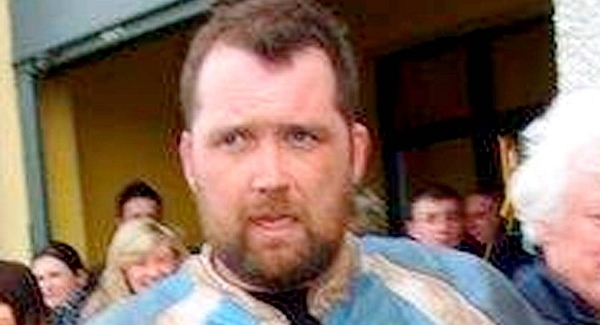
Barry Doyle, aged 29, of Portland Row, Dublin 1, pleaded not guilty to the murder of Mr Geogheghan in Limerick, on November 9, 2008. He was found guilty by a jury at the Central Criminal Court and given the mandatory life sentence by Mr Justice Garrett Sheehan on February 16, 2012.
The trial court heard that Doyle admitted during Garda interviews that he shot Mr Geoghegan in a case of mistaken identity.
However, he brought an appeal against conviction yesterday on grounds that gardaí induced him into making these admissions.
Counsel for Doyle, Martin O’Rourke, told the Court of Appeal the admissions should not have been used as evidence in the trial because they were obtained in a “non-voluntary” manner as a result of threats and inducements and psychological oppression by gardaí.
Mr O’Rourke said Victoria Gunnery, the mother of one of Doyle’s young children who had a hole in his heart, were both used against him as tools of psychological oppression.
Doyle was told during garda interviews that Ms Gunnery was in custody away from their child for the same incident which had him in custody. At this time, Doyle believed that mother and child had a hospital appointment the following Tuesday, counsel said.
Gardaí were telling Doyle Ms Gunnery was in custody away from her sick child because of him and he could ‘do something about that’. They asked him to take responsibility for his actions, to tell the truth about what happened or he would end up in a lot of hardship, he said.
They were telling Doyle to keep his ‘end of the bargain’. What bargain was there, Mr O’Rourke asked, if it wasn’t related to his kids.
The admissions were also made by Doyle without him having reasonable access to legal advice, he submitted.
Doyle’s 14th interview with gardaí began with a request for a solicitor but it proceeded without one. There were several requests in the course of the interview for a solicitor but further psychological pressure was applied, Mr O’Rourke said.
By the end of the 14th interview, Doyle had determined to forgo his right to silence and all the the solicitor did, when he arrived, was broker that, counsel said.
The decision to tell them what they wanted had been made by Doyle when he said ‘I’ll answer your question after I speak to my solicitor’, counsel said. The admission was first made during the 15th interview, he said.
He said the prosecution had failed to prove beyond reasonable doubt that Doyle did not make his admissions because of inducement.
The case resumes next week .