Varadkar: Rejecting water bill means higher fees
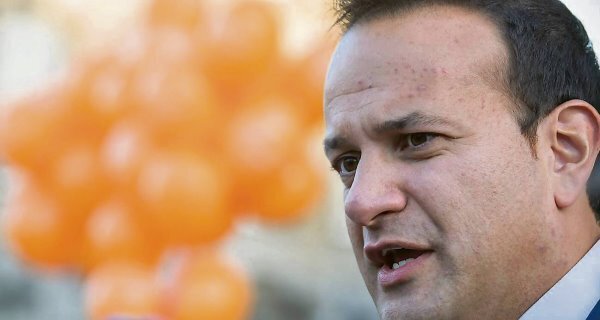
Health Minister Leo Varadkar said the original, higher charges would apply immediately in the new year as opposed to the reduced fixed rates which are promised for next April.
However, the warning was dismissed in some quarters as alarmist last night ahead of TDs and senators debating the water legislation this week.
The Coalition holds a minority in the 60-seat Seanad by two votes, meaning the fate of the Government’s revised water charges scheme rests with Independents.
A rejection of the bill by the Seanad could delay its passing by three months. However, the Dáil could also accept any changes made by senators.
Mr Varadkar said: “If the Seanad does reject the bill, the existing arrangements apply. So what they would be doing would be allowing the status quo to stand which would mean higher bills landing in January rather than the reduce bill in April.
“The Seanad needs to think about whether it wants to be responsible for that or not.”
The bill will not pass to senators until Thursday, after TDs finish debating the changes tonight and tomorrow night. However, its passage has been slow to date and could be delayed further resulting in the Seanad sitting extra days next week.
Senators want the legislation to require that any move to privatise water services goes to a vote before the people. This is a “red line” issue, said Independent senator Jillian Van Turnhout.
“We will see what happens. And vote on each section. But there are many possibilities. You could have a wider discussion on Irish Water and its failings and be here until next Christmas.”
Sinn Féin last night said the Coalition threat to impose more expensive charges on people was an attack on the democratic process.
“This is an attempt at scare-mongering in order to put pressure on senators who may be undecided on how to vote at present,” said Senator David Cullinane.
“The Government should introduce emergency legislation to abolish water charges altogether if they are genuinely concerned about the original charges standing.”
The new charging regime will see households pay a maximum €160 a year with grants until 2019.
Under the old regime, a family of two adults and two children would pay €278.
It allowed for first bills to be issued in January, for water pressure to be reduced for non-payers and for occupants to give their PPS numbers to Irish Water.
Environment Minister Alan Kelly’s officials last night confirmed the “previous legislation will prevail”, if the bill is voted down.