Minimum wage should be increased, says Minister Ged Nash
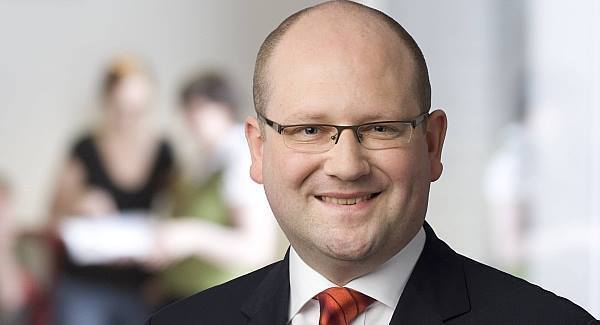
The junior Labour minister said yesterday that there was a certain “inevitability” about the matter of wage increases being a focus for workers next year.
Calling for applications for a new nine-member commission to examine wage levels, Mr Nash said it would report back to the Government at the latest by next summer. “I want to see the rate of the national minimum wage increased over the next period of time, but increased only where circumstances allow,” he said.
He said there had been no proper review of the minimum hourly wage since 2007. However, the Coalition returned it to €8.65, after it was cut by €1 during the financial crash.
The commission will include those who work with the low paid, represent employers interests as well as members with experience of economics or employment.
Its annual budget will be a total of €500,000, out of which members will be paid €11,500 and its chairman €20,000. The fund will also go towards research and expert advice.
The commission — once its members are approved — will have its first meeting in February. Until now, changes to the minimum wage have been at the discretion of a minister or a Government alone.
Mr Nash said he wanted members to meet with various businesses and workers.
“I would expect that they leave the boardroom, engage with businesses and workers right across the country whether they be hairdressers, butchers or taxi drivers.”
The Louth TD denied the new body was the beginning of a return to social partnership. However, he admitted wage hikes would be an issue next year: “There have been pay increases secured by trade unions over the last 18 months, particularly in manufacturing and IT.
“As the economy improves, there’s an inevitability there will be demands for pay increases.”
While Mr Nash admitted that “theoretically” there would be no compulsion on a minister to agree to its recommendations on pay levels, his officials said a similar body in Britain had only once had a suggestion ignored.
Chambers Ireland said the commission must not result in a loss of competitiveness. Mark O’Mahoney, communications director, said: “Many of Ireland’s companies are competing in an international marketplace and increasing labour costs will reduce their competitiveness and their capacity to create new jobs. Rather than expecting employers to increase their wage bill, more money could be put in worker’s pockets through reductions in income taxes and social charges.”


CONNECT WITH US TODAY



Be the first to know the latest news and updates