Troika backs 20% deposit for mortgages
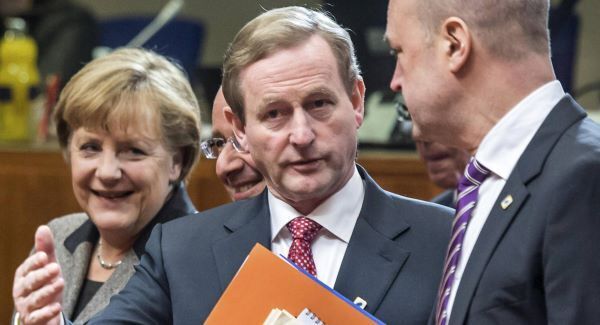
The troika, in Dublin for its second post-programme review, has said it will review the issue and will publish a comprehensive report early in the new year. Sources in Dublin suggested it favoured the proposal from the Central Bank.
It has advised the Government to continue austerity budgets to further reduce the deficit and lower the country’s debt of more than 110% of annual output.
With banks returning to profitability, the troika urged Irish banks to cut interest rates and hand down the low ECB rates to the real economy. It said this “is key to sustain economic growth and create jobs”, and added that the State could start to sell off its holdings — which are mainly in AIB and Permanent TSB.
It did not publicly comment on the debate over housing and mortgages other than to note that, “in the housing market, rising demand and the low level of new construction have pushed up prices rapidly, especially in Dublin”.
Mr Kenny said the Central Bank proposal on 20% deposits was “a consultation paper”. He noted that it would make it very difficult for many people to purchase their own house. However, he did not reject the idea, saying the Government was looking at ways to help bridge the gap between the usual deposit of 10% normally required and the 20% now being proposed.
Mr Kenny said they were looking at other countries where the mortgage insurance sector helps to bridge the gap in a bid to make it easier for first-time buyers.
“We want a situation where people can have a genuine, not just an aspiration, but a genuine confidence that they will be able to get onto the property market, have their homes and live their lives and raise their families,” he said.
At the end of its four-day visit, the troika noted the high rate of growth in Ireland — expected to be the highest in the EU this year at 4.6% — with exports having increased very much in the first half of the year.
However, it also sounded a note of caution, saying: “There is still some uncertainty as to whether this strength is sustainable.”
However, while it acknowledged State spending would beat the original ceiling of 5.1% — at about 3.7% — it called for less borrowing for day-to-day spending for next year and 2016. This, the troika said, would help to start reducing the debt — among the highest in the EU. “The Government needs to stand ready to adopt additional measures to address potential future fiscal risks,” it said.
Health spending and changes to the ways solicitors and barristers operate were pinpointed as the two areas that are not making the kinds of progress demanded in the original reform programmes.
CONNECT WITH US TODAY



Be the first to know the latest news and updates