Report claims 35.8m people living in slavery worldwide — including 300 people in Ireland
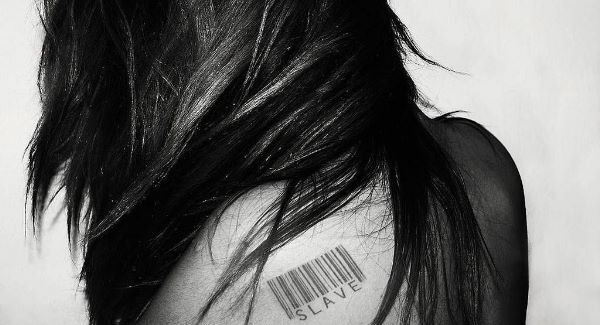
The Global Slavery Index, published by Australian organisation Walk Free, claims Ireland had the second-lowest rate of slavery in Europe, with only Iceland having better figures.
By contrast, Bulgaria had the highest slavery rate of the 37 European countries listed, with almost 0.38% of the population in modern-day slavery.
The Czech Republic was the second-highest ranked European country in the Index, with Hungary third.
The figures in European countries pale when compared to those with other countries elsewhere in the world.
About 14m people in India are deemed to be living in modern-day slavery, placing it fifth in the world when it comes to prevalence of slavery in society. Pakistan, in sixth place, has 2.1m people living in slavery, according to the report.
Qatar, which is due to host the 2022 World Cup Finals, is in fourth place in the world with 1.35% of the population estimated to be in slave conditions. It has come under fire over the deaths of workers on the World Cup project, which has also been the subject of a Fifa corruption report.
Haiti, where 2.3% of the population are said to live in slavery, is in third place overall, with Uzbekistan, where 3.9% are said to live in slavery, in second place. The central Asian country has an estimated 1.2m people living in slavery.
The first-placed country in the Global Slavery Index is Mauritania, where 4% of the population are estimated to be living in slavery.
According to the report: “Around the world today, there are an estimated 35.8 million men, women and children trapped in modern slavery.” It also lists Somalia, Eritrea and Sudan as the most vulnerable countries when it comes to being at risk of growing levels of slavery.
In the Irish listing, the Government is given a “BBB” rating for its response to the issue here, with the report stating: “The Government has implemented key components of a holistic response to modern slavery, with victim support services, a strong criminal justice response, evidence of co-ordination and collaboration, and protections in place for vulnerable populations.
“Governments may be beginning to address slavery in supply chains of government procurement, or of businesses operating within their territory.
“There may be evidence that some government policies and practices may criminalise and/or cause victims to be deported.”
The Irish criminal justice system gets a higher rating as regards its response to slavery than other categories “supports for survivors”, “co-ordination and accountability”, and “attitudes, social systems and institutions”.