‘Deliberate corrupt behaviour’ alleged
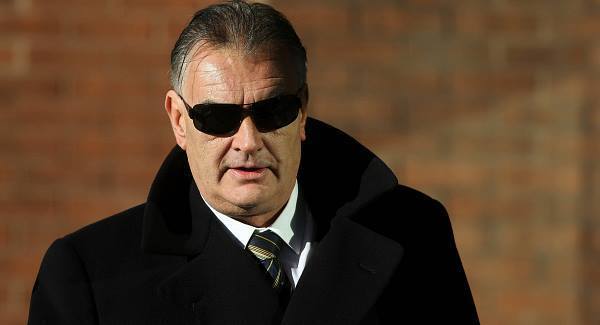
Mr Bailey will say a Garda jabbed him in the arm and told him gardaí knew he was the killer of the French film-maker in West Cork in 1996, his lawyer Tom Creed outlined. Mr Bailey will also say a garda said: “If we can’t pin this on you, you’re finished in Ireland. You’ll be found dead in a ditch with a bullet in the back of your head.”
Mr Bailey will say those remarks were made to him in a patrol car when he was arrested on February 10, 1997, on suspicion of the murder, counsel said.
A photographer was permitted take photos of him when he arrived at Bandon Garda Station, where Mr Bailey would say he was subject to “unremittingly hostile” interrogation before being released to a “phalanx” of media.
Mr Bailey, despite never having been charged, has been treated “like a criminal” by gardaí, counsel said. He was arrested twice but never charged, and contended both arrests were “actuated by malice”. Had he been jailed for life in 1996, he would be free but is still living a “nightmare”.
Mr Bailey’s case against the State is not just a claim for damages but about asking a jury to look at this Garda investigation and ask was this fair and how people entrusted to uphold the law should conduct an investigation, counsel said.
Marie Farrell, who ran a shop in Schull at the time of the murder, would tell the jury she was “threatened and cajoled” by gardaí into giving perjured evidence against Mr Bailey, counsel said. She would say Garda Jim Fitzgerald told her it was crucial “to maintain a scenario that put pressure on Mr Bailey” and gave her a mobile phone over a nine-month period to facilitate contacts with gardaí.
Mr Bailey was making the case that gardaí consciously and deliberately leaked to the media he was the prime suspect for the murder and to ensure he would not get a fair trial if ever charged, Mr Creed said. This was all done “to get him to confess to something he had not done”.
He was opening the action by Mr Bailey against the Garda commissioner and State for alleged wrongful arrest, false imprisonment, conspiracy, assault, and intentional infliction of emotional and psychological suffering.
The defendants deny all the allegations and also plead immunity from being sued by a suspect over alleged negligent investigation.
Outlining the case to Mr Justice John Hedigan and a jury, Mr Creed said Mr Bailey is entitled to exemplary damages for the wrongs inflicted on him by gardaí that “poisoned” his life and could only be described as “grotesque, unbelievable, bizarre and unprecedented”.
Mr Bailey’s personal life and life in the community has been destroyed because, as of December 1996, certain gardaí decided he was the man who murdered Ms du Plantier and set about “zoning in on him”.
It would be claimed Garda Supt Dermot Dwyer had told Mr Bailey in late January 1997 the superintendent was going to place Mr Bailey at Kealfadda Bridge in the early hours of Monday, December 23, 1996, the date Ms Toscan du Plantier’s body was found, counsel said.
When the DPP decided there was insufficient evidence to prosecute Mr Bailey, gardaí sought to put pressure on a state solicitor to get the DPP to prosecute, counsel said. Gardaí also served up the same “bogus” evidence “on a plate,” including statements from Ms Farrell, to the French authorities when they sought to extradite him to France for the murder. The extradition was another “bombshell” for Mr Bailey when he thought events might normalise.
Mr Bailey’s partner Jules Thomas was in such despair by October 2011, she wrote to then DPP James Hamilton saying she and Mr Bailey “have been living in hell for the past 15 years”.
Ms Thomas wrote she was recently questioned by French detectives and she appealed to the DPP to charge Mr Bailey here so he could receive a fair trial in Ireland and the couple could be put out of “this mental torture”.
The then deputy DPP replied the DPP had already decided not to prosecute Mr Bailey.
The High Court later ordered Mr Bailey’s extradition but the Supreme Court said there was no proper legal basis for that. Mr Bailey still cannot leave Ireland because the European Arrest Warrant seeking his extradition remains in force and he was unable to go to his mother’s funeral in England two years ago.
While the Garda commissioner ordered an inquiry into his complaints, his solicitor Frank Buttimer has not been given the 2007 report of that inquiry and the Department of Justice had supported the bid to extradite him.
The State defendants deny all the claims, including of threats, intimidation and inducements, and deny there was no bona fide basis for his arrest. They also plead Mr Bailey identified himself as a suspect and the publicity complained of was not a result of their actions.

CONNECT WITH US TODAY



Be the first to know the latest news and updates