Seriously ill woman ‘can’t just cut back on water’
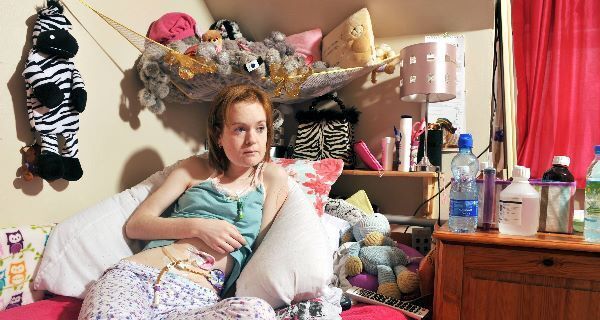
Ehler-Danlos Syndrome (EDS) sufferer Lauren Walsh, 24, from Cork, also pleaded with the Government and Irish Water to fast-track the publication of medical conditions which will allow certain households qualify for subsidised water bills.
âThere are so many bills coming in to the house as it is,â Lauren said yesterday. âAnd I have to go to the UK for treatment because I canât get treatment for my condition in Ireland anyway.
âThatâs costing my dad loads of money as well. I just fear they wonât be able to pay. And where do I go then?â
Her mother, Callie, said families like hers, who are caring for seriously ill loved ones at home, face huge uncertainty.
âWe just canât cut back on water. If Lauren gets an infection, it could kill her. We are caring for her at home and are not a burden on the State. All we are asking for is a break,â she said.
She challenged the Taoiseach and the environment minister to visit their home to see first hand how paying for water affects them.
âI would invite them or anyone to come down when Lauren is connecting and disconnecting her feeding tube. That would change their tune.
âI have no problem paying for water. But itâs the uncertainty for people who are caring for a very sick patient about how much our bills are going to be after the first two years â thatâs whatâs troubling us.
âAnd we are also concerned that Laurenâs illness is so rare that it wonât be included on the list of medical conditions when that is published in two years.â
Although born with EDS, Lauren, from Passage West, was only diagnosed when she was 15.
EDS is caused by a defect in the structure, production and processing of collagen, a structural protein, which is critical to the formation and endurance of human tissue.
People with the condition require intensive support for the affected body systems.
In some cases, EDS can be life-threatening and, despite major medical research, there is no cure.
Lauren also has osteoporosis, Raynauds, hypoglycemia, Gastroparesis, dowel dismotility, narcolepsy, and an ectopic heart beat. She has gastric and bowel pacemakers, and has to make several trips a week to Britain for treatment.
She is fed through her jugular vein 18-hours a day, takes medication through a tube in her abdomen, and is in total intestinal failure which results in up to 100 visits to the toilet a day.
Callie said they have to use vast quantities of water in the management of the condition â from cleaning and sterilisation of their hands and Laurenâs feeding and medical equipment, for flushing toilets, for washing bed clothes and the floors, which are washed up to twice a day.
âIâd love the government to come to our home to see Lauren attaching her feed at 8pm and disconnecting it at 10am the next day and then explain why they would defer the medical conditions list for two years,â Callie said.
Irish Water said families like Laurenâs will not pay extra for water above the assessed rate under the current pricing structure.
But it said a list of specific medical conditions which will allow certain households qualify for subsidised water bills will not be drawn up before 2017.
Households who use more than average water for medical needs will have their water charges capped at the assessed rate until the current price control period ends on December 31, 2016.