Ian Paisley was the great divider
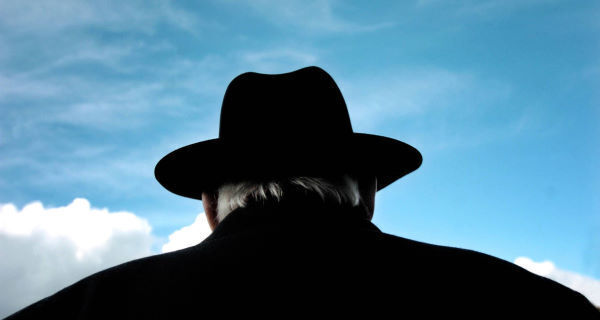
Some praised him as a man of peace, others questioned why his belated conversion to compromise had taken so long to emerge.
However, no one could doubt the towering shadow he cast across the North — for good and ill — for five long decades, after he passed away at the age of 88 yesterday.
From acts of political theatre like throwing snowballs at visiting taoiseach Seán Lemass and trying to shout down Pope John Paul II as the “antichrist” when he addressed the European Parliament, to instilling the chill of fear by openly flirting with paramilitarism, and being accused of preaching sermons of hate, Mr Paisley fought a relentless, and highly effective, battle to block any hint of compromise with the nationalist community as he insisted he was the voice of Ulster and that voice would always boom: “Never! Never! Never!”
But within a decade of denouncing the Good Friday Agreement, the Free Presbyterian minister was sharing power with former IRA gunman Martin McGuinness in an unlikely political coupling dubbed the ‘Chuckle Brothers’ due to its evident conviviality.
Though while embracing power-sharing — on his terms, once he had finally crushed the more moderate Ulster Unionist Party and its leaders whom he had branded “traitors” for engaging in peace talks — Mr Paisley offered no apology for his inflammatory outbursts of the past, telling one interviewer: “The people who rioted have to pay for that. Not me.”
Mr McGuinness showered Mr Paisley with praise, stating: “I have lost a friend, the peace process has lost a friend, for me it is a very sad day.”
Very sad to learn that Ian Paisley has died.My deepest sympathy to his wife Eileen & family.Once political opponents - I have lost a friend.
— Martin McGuinness (@M_McGuinness_SF) September 12, 2014
Former Alliance Party leader John Cushnahan was less forgiving: “While I welcome the fact that he ultimately embraced power sharing, it was too little too late and should not be used to excuse the pain and suffering that he inflicted on the people of Northern Ireland for the majority of his political life which was punctuated with nakedly sectarian acts and deeds.”
Mr Paisley’s oratorical style was so powerful it provoked loathing and inspiration in equal measures, depending on the audience.
As a Ballymena teenager, Liam Neeson was in thrall to the political showmanship on display, telling TodayFM: “I managed to hear the Reverend Ian two or three times. I snuck into the back of the gospel hall and heard him doing his thing. Very, very powerful orator.”
Angry at the way he had been finally hushed and pushed to the sidelines by the church and party he created, Mr Paisley cut a bitter figure in his final years as he reflected on the past.
But it is clear that, without Mr Paisley, Tony Blair’s fabled hand of history would have written a markedly different account of the North’s last half century of turmoil and transformation.