Health chiefs bid to avoid ebola panic as suspected victim dies in Donegal
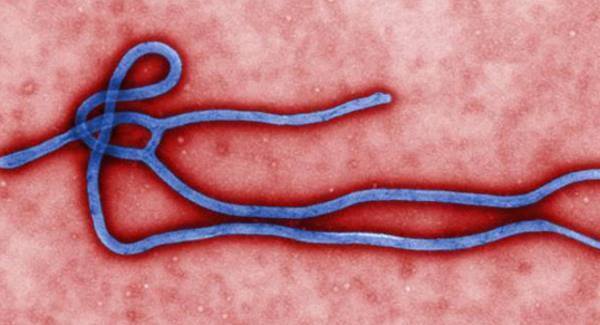
Health officials last night moved to allay fears of a potential ebola outbreak as it carried out tests on a Donegal man who died just days after returning to Ireland from a disease blackspot.

Health chiefs bid to avoid ebola panic as suspected victim dies in Donegal

Darina O’Flanagan, head of the HSE Health Protection Surveillance Centre, said: “In general, the risk of contracting ebola virus disease is extremely low and would involve very close personal contact with the infected individual or their body fluids for there to be any risk at all.”

The HSE said that, as a precautionary measure, “appropriate infection control procedures” had been put in place in the community and at the mortuary where the remains of the suspected victim, Dessie Quinn from Mountcharles, were being kept pending the outcome of laboratory tests.

Those test results, which are due back later today, are expected to confirm whether or not he contracted the killer disease, the latest global outbreak of which has so far killed more than 1,300 people in west Africa, mainly in Sierra Leone, Guinea and Liberia.

According to the World Health Organisation ebola is transmitted by direct contact with the blood, body fluids and tissues of infected animals or people, though it said in the 2014 outbreak, nearly all of the cases are a result of human-to-human transmission. It has also said the latest infection has not had as high a rate of death as previous outbreaks.

While it can have a fatality rate of up to 90%, the WHO said 47% of people are surviving this time around.

The incubation period for the disease from time of infection to symptoms is estimately to be anywhere between two to 21 days.

According to the Health Protection Surveillance Centre, ebola virus can survive in liquid or dried material for a number of days but is inactivated by:

- Soap;

- Machine washing at higher temperatures;

- Ultraviolet radiation (including sunlight);

- Gamma irradiation;

- Heating for 60 minutes at 60°C or boiling for five minutes;

- Sodium hypochlorite (household bleach);

- Most disinfectants.

In recent days, the Department of Foreign Affairs has strongly advised against travelling to countries hit by the ebola outbreak warning that “medical facilities and systems are under enormous strain, leading to a deteriorating public health situation”.

On its website, the department tells people who have travelled from Guinea, Liberia, or Sierra Leone: “If you develop fever, unexplained fatigue, diarrhoea or any other severe symptoms in the few weeks following a departure from a tropical area, you should seek rapid medical attention mentioning your travel history, since it may result from an infection like malaria that requires immediate investigation and treatment.

“If you have been directly exposed to any bodily fluids from a dead or living infected person or animal, including unprotected sexual contact with patients that have recovered, you should seek rapid medical attention mentioning your travel history.

“Contact the medical care facility by phone before your visit, in order to enable medical personnel to use appropriate protection at the time of admission.”

The symptoms

The Health Protection Surveillance Centre says the signs and symptoms of Ebola are:

- Fever*

- Joint and muscle aches*

- Sore throat*

- Vomiting

- Diarrhoea

- Stomach pain

- Headache

- Measles-ike rash

- A rash, red eyes, hiccups and bleeding from body openings may be seen in some patients.

(*Early symptoms)

x

More in this section

Lunchtime News

Newsletter

Get a lunch briefing straight to your inbox at noon daily. Also be the first to know with our occasional Breaking News emails.

Cookie Policy Privacy Policy Brand Safety FAQ Help Contact Us Terms and Conditions

© Examiner Echo Group Limited