Public urged to swim in areas with lifeguards
In actual fact, all three people had taken measures to ensure their safety and were just victims of circumstances.
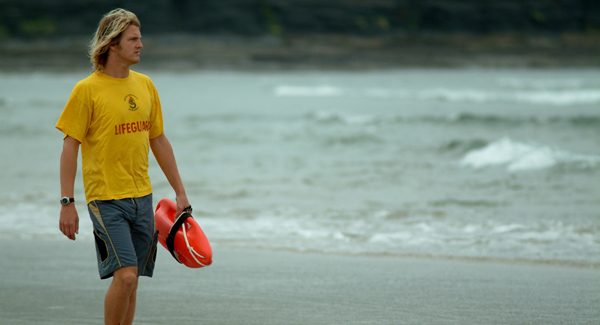
The two nuns who drowned in Kerry on Thursday were swimming within their depth, in good weather and water conditions, and on a lifeguarded beach.
In the case of Douglas Perrin, who drowned off the West Cork coast overnight on Wednesday, both he and his two passengers who survived were wearing lifejackets.
John Leech, chief executive of Irish Water Safety, said: “The key information we want to get out to the public is to swim at lifeguarded waterways wherever possible. There is a list of them on iws.ie, 125 around the country including rivers and lakes.”
He said the good thing about going to a lifeguarded beach is that the guards will keep swimmers out of the rip currents. “For people who do not understand rip currents fully, they can panic them and they try swimming straight back in against them, get exhausted and drown. You swim parallel to the beach and you will come out of them.”
Mr Leech said people will also often swim on private beaches or in a private area. “We would say to them to swim in traditional bathing areas.
“You will know them by the fact they have a yellow box with a ring buoy. They are areas where you can wade into the water safely and you can swim within your depth which is crucial.”
Mr Leech said open-water swimmers, such as those who do triathlons, are used to swimming in deep water and have often done lifesaving courses and will be able to help each other if they get into difficulty. However, he said novice swimmers should swim within their depth because people get cramp regularly, especially if they have eaten too much or been drinking.
“If you get cramp and you are out of depth and drop your legs, you drown,” Mr Leech said.
“Last year, when we analysed all the drownings, all of them drowned out of their depth, 13 people have drowned in 14 days out of their depth.”
He also said inflatable toys — which Irish Water Safety has dubbed floating killers — should never be used on open water because they are lethal and can lead to double tragedies “if a child swims out after the beachball or ring or lilo and then mum or dad tries to swim out and get them”.
On those taking to the water in boats, Mr Leech said the advice Irish Water Safety would give to people is to wear a lifejacket and bring some form of communication.
“A handheld VHF radio can be purchased for €100: They are waterproof and if you get into trouble, you just call the coastguard and they will have the helicopter down on you or a lifeboat out to you within half an hour,” he said. “We have a world-class rescue service.”
Mr Leech said that a phone in a waterproof container is another option, though the VHF radio is preferable because they will help the rescuers to pinpoint the person’s exact location.
Finally, he said people should check the weather forecast. “We are living in a temperate climate in which the weather changes so fast and we have very strong tides around our coast. People forget that. We are just coming out of spring tides and so they are still quite big and that means tidal streams and riptides are big and strong at the moment.”