Hygiene risk to Coombe maternity patients
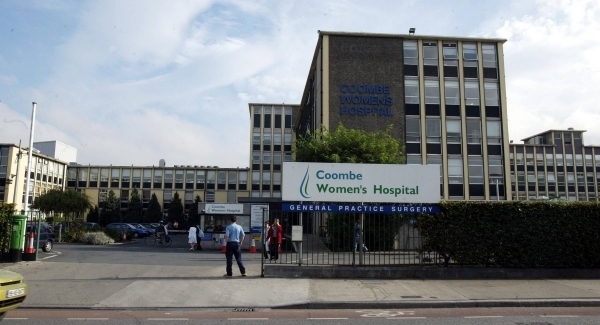
The claim has been made in a new inspection report into the Coombe Women and Infants University Hospital in Dublin by the Health Information Quality Authority.
According to the independent watchdog’s latest investigation, based on an unannounced visit to the facility in March, the Coombe generally provides a high standard of care and protection to mothers and newborn children.

However, Hiqa stressed that potentially serious issues are still apparent on its wards, with "black-coloured debris", dust, and unclean equipment uncovered by the inspection team.
After examining the 33-bed St Gerard’s gynaecological ward the team said the area was "generally unclean" with clear "opportunities for improvement".
It said there was dust and dirt in the utility room, patient bathrooms, the resuscitation trolley, oxygen equipment, blood-pressure stands, and wheelchairs used by all patients treated at the unit.
Chipped paint on the intravenous drip stand — an issue that hampers adequate cleaning as it provides areas for bacteria to swarm — and "rust-coloured stains" on wound dressing trolleys were also recorded.
While the separate Our Lady’s ward was considered to be "clean and well maintained" with "weekly and monthly" internal hygiene audits of the area taking place, further concerns were also noted.
The Hiqa team said there was an admission within the ward that the hygiene audits’ schedule had become too predictable, with no clear record of which staff received hygiene training available.
After examining the unit’s records, it was found that just 501 of the 890 members of staff could be identified as having recently undergone hygiene training.
In addition, one staff member had not completed a hand hygiene training session since October 2011.
While acknowledging improvements are being made, Hiqa said the issues are still of major concern to the 9,000 mothers attending the Coombe each year.
These figures include more than 1,000 newborns who have to be taken to the neo-natal unit for further post-birth checks due to potential concerns over their health.
The report was released a day after new detailed research by Trinity College warned that strains of hospital super-bugs such as MRSA are increasingly drug resistant — posing fresh concerns for patients.
More than 50 different forms of MRSA have circulated in Irish hospitals over the past 12 years, contributing to hundreds of deaths and thousands more dangerous blood-stream infections across the country.
* The latest Hiqa hygiene inspection reports, including the examination of the Coombe, can be read at www.hiqa.ie.