Right royal comedown as Boris too busy to care
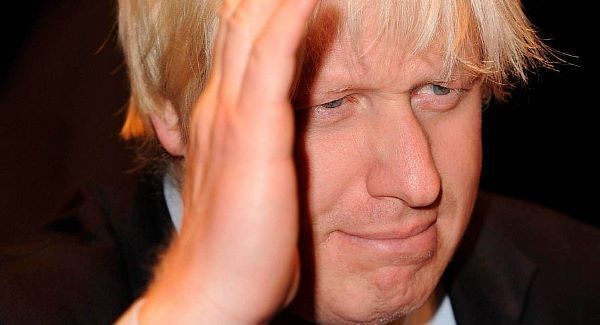
Once branded a clown prince by many, the London mayor now has a serious shot at being the next Tory prime minister, and he underlined this air of being a man in a hurry by devoting just a couple of minutes of his time to Michael D when the Irish head of state popped-up at Londonâs futuristic looking city hall for a forum on young people and leadership.
Always playing to the gallery, Boris insisted the Presidentâs arrival had caused âunprecedented excitementâ in his office, which for some unexplained reason had led to rampant baking by his staff.
âIâve got lots of Irish people and theyâve all been preparing freshly baked biscuits,â Mayor Johnson announced.
The President looked bemused by these few words, which is ironic, as that is exactly how many people feel after sitting through one of his 5,000-word speeches.
The youth workshop was brightened up by Dublin band Seo Linn, who, despite British Airways losing some of their instruments en-route, provided a much-needed distraction from a very, very long presidential address. Indeed, when the end eventually came, the youngsters in the audience looked like they could well have done with a blast of the bandâs biggest success, a cover of Avicciâs hit: âWake Me Upâ.
While the Queen had pulled out all the stops at Windsor, including at one point actually bringing on the dancing horses during the welcoming parade, Boris was too busy to bother with Mr Higgins for more than a photo-op.
But it was a different story in Downing St, as while looking over his shoulder for the long-awaited stab in the back by rival Boris, at least David Cameron made sure there was a red carpet for the president as he excited the maroon Bentley lent to him by the Queen for the courtesy call to the prime minister.
With Boris jockeying to take over the Tories, Cameron was having a bad heir day as he had just been forced to accept the resignation of his culture secretary after she was embroiled in an expenses scandal (like pageantry, itâs a quaint British tradition for politicians to actually quit when they have been caught out). Walking back up Downing St after taking a hammering in the Commons over the matter, Mr Cameronâs mood was probably not improved by the state of the red carpet, which he clearly felt was unfit for the presidential personage as he adjusted its position with his shoe.
But it was all smiles when the pair did meet and agreed how âremarkableâ the whole visit is. Some in the Irish party also found it remarkable that the Queen and President had spoken via a secret microphone hidden in a display of flowers while giving their speeches at the previous dayâs sumptuous state banquet.
Jokes about whether such activity would come under the terms of reference for the Garda bugging scandal abounded, but the British media was more interested in the Queen sitting down to dinner with self-confessed ex-IRA man Martin McGuinness.
Amidst the attention given to the Queenâs dramatic pledge to send family members to commemorate the 1916 uprising, the significance of her acknowledgement of the discrimination meted out to Irish immigrants has been overshadowed.
Tony Blair was attacked for offering âmeaninglessâ apologies for the Famine and the slave trade, but the Queenâs remarks have deep resonance with Britainâs Irish community as signs in lodging houses declaring âNo Dogs. No Blacks. No Irishâ not only occurred in her lifetime, but during her reign.
Mr Higgins made a point of meeting immigrants who were given a job and a future they could not get at home by Britain, but were also given a hard time in other respects.
The President met the Irish workers who keep the NHS alive on a visit to University College Hospital London and was lauded for taking the time to see them.
It was one of the more human moments of a trip inescapably bound-up in talk of regret and reconciliation, such as the Presidentâs viewing of the colour flags of the five Irish regiments disbanded after independence, which Prince Andrew showed him at Windsor Castle.
The day ended with yet more pomp as Mr Higgins was feted at the Guildhall in the heart of Londonâs financial square mile, by men in medieval costumes who rejoiced in such names as the Chief Commoner.
Fears that all this attention may have turned the old socialistâs head and tempted him to go native on the neighbouring isle were not quelled by the shocking end to his speech.
Rather than launch another of his famous attacks on the austerity agenda in one of the globeâs capitals of capital, Mr Higgins did something that would cause much more of a stir back home â he announced he would be supporting England in the World Cup.