Families face €3k universal health cover bill
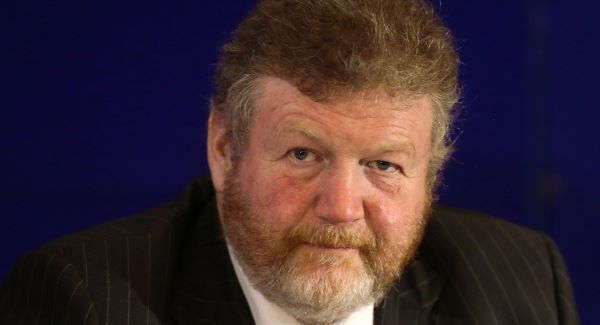
As part of Health Minister James Reilly’s universal health insurance scheme, cover will be compulsory for everyone from 2019, with the State paying or subsidising the cost for medical card holders, the unemployed and low earners just above the bracket.
During a two-hour briefing yesterday the minister repeatedly failed to clarify how much the initiative will cost the public or the State, other than to insist the price of the “win-win” plan will not exceed today’s €920 average health cover and will be significantly subsidised.
However, health insurance experts have warned while the situation is good news for low-income earners, middle-income families currently without cover are set to be hit with extra bills exceeding €3,000.
This is because the group, which will not qualify for State subsidies, has made up a significant percentage of the 250,000 people who cancelled cover in the past five years over the costs.
When the new system is implemented they will have no other option than to pay the universal insurance charges — which, based on Dr Reilly’s figures, mean an average family of two parents and two children face costs of more than €3,000.
“These people will not be subsidised. They will be the 30% in between the 40% subsidised and the 30% richer incomes,” health insurance analyst Dermot Goode told the Irish Examiner.
“There are thousands of people in this bracket right now who’ve decided to cancel their insurance even though they might want it.
“But under universal health insurance they will have to buy it [cover] without any guarantee they won’t still face waiting lists,” he said.
The comments came as Dr Reilly’s €920 average cover figure was questioned by trade union Impact.
Citing previous estimates from the Department of Public Expenditure that the universal health insurance cost could be as high as €1,600 per person when current charges and taxes are taken into account, the union’s national secretary, Louise O’Donnell, said the plan has problems.
“Families will be required by law to have health insurance, but there is a real risk this will be an impossible financial burden,” she said.
The minister did not clarify what the income cut-off point for subsidised universal health insurance cover support will be when asked on RTÉ News last night.
He said it was impossible to know what the situation would be in five years — but insisted prices would be below €920 even for those who are not subsidised.
The controversy marked a less than auspicious start for Dr Reilly’s initiative, which Taoiseach Enda Kenny described as a “once in a generation opportunity to help build a health system which is fit for purpose in a modern republic”.
-Public and private health services will merge by 2019. The first stage is free GP care for under sixes; with legislation imminent;
-Everyone in the country will have to take up health insurance, subsidised for certain groups;
-Insurers will be banned from offering services allowing richer patients to jump the queue for care.
CONNECT WITH US TODAY



Be the first to know the latest news and updates