Shatter ‘not told of taping until Monday’
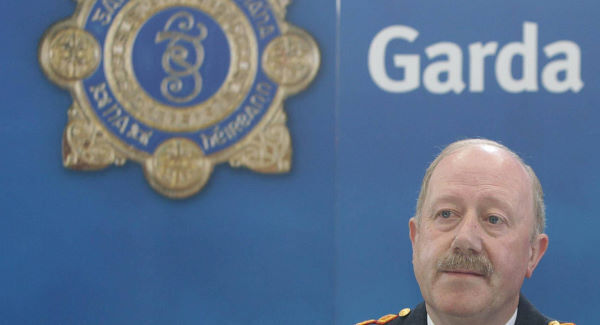
This is despite a letter sent to the secretary general of the justice department two weeks ago from Martin Callinan, the former Garda commissioner, about the issue of the recordings.
A spokesperson for Alan Shatter said he did not receive that letter until yesterday morning.
Sinn Féin’s Mary Lou Mc-Donald said last night that Mr Shatter’s highest civil servants must explain why they did not bring such a serious issue to the attention of the minister.
She said it was incomprehensible that senior officials would not understand the implications of the letter after they received it.
Independent TD, Clare Daly, said it was “almost inconceivable” that the justice minister did not know about the matter.
She said: “I would be bowled over. There is no way he could not have known. We now have serious problems in the operation of our police force.”
In the letter — reported by RTÉ News last night — the secretary general was asked that Mr Shatter be informed of details of the recordings.
Mr Callinan also says that he consulted with the attorney general on November 11, 2013, and that he established a working group to deal with the issue.
The letter, entitled ‘Recordings of Telephone Conversations made and retained in Garda Stations’, said the recordings which raised the alarm about the practice — which are now in court proceedings — took place in the 1990s.
The recordings are of members of An Garda Síochána and of members of the public.
He said the systems were set up in the 1980s to enable gardaí to record calls to and from control rooms — in particular 999 calls, bomb threats, and other messages.
The practice continued in some stations over the years, with recordings being retained in Garda stations.
The total number of tapes is more than 2,400 and Mr Callinan said that he consulted with the attorney general and expected to consult with the data protection commissioner.
The Fianna Fáil spokesman on justice, Niall Collins, said Mr Shatter’s account of events “does not stack up in the public’s mind” and that every issue he has handled has turned to calamity.
He said the Government’s attempt to create a distraction with the announcement that it was setting up an inquiry had rebounded.
“The Government is meeting itself on its way back in terms of its presentation, and trying to create a different focus in public debate other than the whistleblower controversy,” said Mr Collins.
“It throws up a host of new questions: Why isn’t it the case that Minister Shatter didn’t know about it, or did he indeed know about it?
“Are we going to be led now to believe that the attorney general knew about it and the attorney general sits at Government and didn’t inform the minister for justice or the Taoiseach or other cabinet ministers? All of this just doesn’t stack up.”
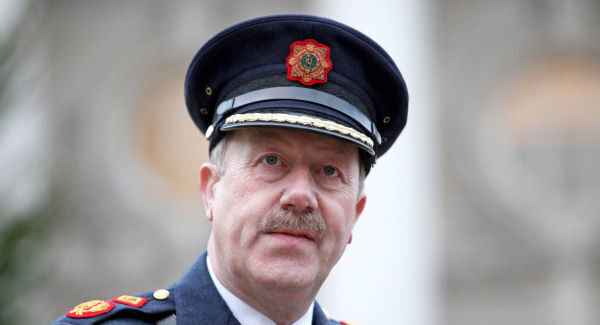
An edited version of the statement issued yesterday by Garda Commissioner Martin Callinan:
In the best interests of An Garda Síochána and my family, I have decided to retire. I felt that recent developments were proving to be a distraction from the important work that is carried out by An Garda Síochána on a daily basis for the citizens of the State in an independent and impartial manner. It has been a great honour and privilege to have spent nearly 41 years as a member of this tremendous organisation, serving the people of Ireland.
Those nearly 41 years, though at times challenging, have been enjoyable and fulfilling. This is due to the standard of people I have worked for, worked with, and led during this period of time. It also could not have been achieved without the support of the many thousands of members of public who I have come in contact with.
I would like to thank members of An Garda Síochána who I worked with during my time as commissioner for their support. I wish my successor, current members of An Garda Síochána, and those due to join, my wholehearted support.
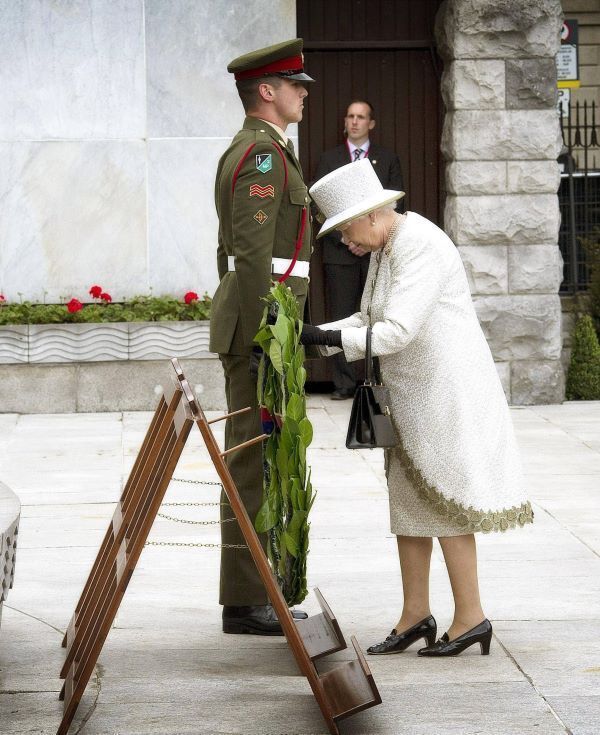
From a policing point of view, the visit of England’s Queen Elizabeth for a long state visit presented many dangers, given her obvious status as a potential target for dissident republicans.
It was made worse by the fact her stay was so long and took in private tours and a public walkabout in Cork.
Today, her visit is remembered for its seamless success and this is a credit to Mr Callinan and those he led.
The brief visit of President Barack Obama in May 2011 was a high point. The security surrounding the visit of any American president is immense, but this was complicated by his unrivalled popularity and his decision to deliver a speech in College Green.
Ironically, the issue that ultimately caused his demise, the policing of road traffic offences, could also be seen as one of Martin Callinan’s greatest successes.
The fact that road deaths fell steeply to a historic low in 2013, at a time of a smaller force, was a testament to effective policing over a number of years.
During his tenure the majority of crimes saw a drop in the number of complaints. This is the one achievement he highlighted in his resignation statement yesterday.
A recent spate of violent deaths may ultimately colour this legacy.
It said a lot about the trust the Government had in Mr Callinan that last year it was prepared to extend his tenure for two more years, until August 2015, despite the fact he was supposed to retire last year.
The decision was a ringing endorsement of the work he was doing.
This was an initiative launched under Mr Callinan’s watch to deal with a perceived burglary epidemic.
In the first six months of this operation, 2,500 people were arrested and 1,400 people were charged.
The death of Detective Garda Adrian Donohoe was a sad occasion for Mr Callinan and the force he led.
In January, on the anniversary of his killing, Mr Callinan detailed the enormous amount of work gardaí and overseas police forces have put in to catch his killer.
However, it remains a source of sadness and frustration for the force that the man who fired the gun at Det Donohoe remains at large.
Kieran Boylan was a convicted drug smuggler who was run as an informer off the books in a manner which did not comply with the rules for such practices.
The Garda Ombudsman report was finally released in May 2013, but documented the difficulty it had getting co-operation from the force.
The failure of Callinan to engage with the report and accept criticism appeared to endorse the bad and dangerous handling of this criminal.
In January, Mr Callinan appeared before the Public Accounts Committee to explain his management of the penalty points system as the accounting officer of An Garda Síochána.
Despite a critical report of the Comptroller and Auditor General and the difficulties exposed with the Garda Ombudsman, his characterisation of the whistleblowers actions as “disgusting” and his authoritarian tone was unbecoming.
The personal umbrage Mr Callinan took to the suspected bugging of the office put pressure on the office rather than offering assistance in finding the culprit.
It took him a week before he expressed confidence in GSOC and it required the intervention of Justice Minister Alan Shatter to thaw the relationship between him and the watchdog.
The long-awaited Smithwick report covered a period long before Mr Callinan was promoted to a senior position. It was another black mark against the force and exposed collusion with the IRA in the killing of two RUC officers. But the commissioner was strongly criticised for his reaction to Mr Justice Smithwick’s finding that some prioritised loyalty to the force above honesty.
It was Mr Shatter’s own misguided decision to reveal on RTÉ’s Primetime that Mr Wallace had been stopped while using a mobile phone and driving. But the information had been given to him by Mr Callinan.
Mr Shatter said it was volunteered by the commissioner with a genuine motive but it did not reflect well on the leader of An Garda Síochána to be getting involved in political squabbling.
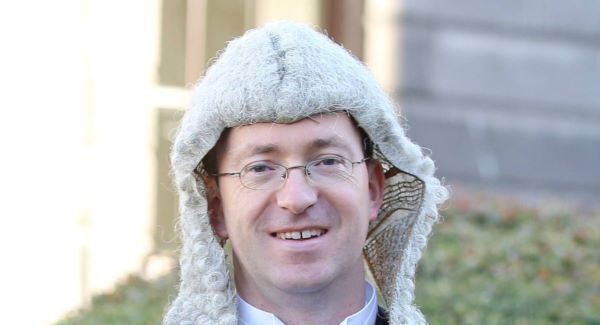
The ongoing inquiries into issues involving An Garda Siochána:
* Criminal barrister Sean Guerin has been asked to review the wider allegations of garda misconduct made by the garda whistleblowers. He will decide if a full inquiry is required. Mr Guerin was chosen, given his experience of dealing with evidence in criminal cases.
* Retired High Court judge John Cooke has been appointed by Justice Minister Alan Shatter to review all of the competing reports into the suspected bugging of the offices of the Garda Síochána Ombudsman Commission. This will decide if there was any merit to the suspicions of GSOC and the report of English security experts Verrimus.
* GSOC is now investigating the allegations made by the whistleblowers and the organisation’s handling of the penalty points debacle.
* It is also conducting an inquiry into a complaint made by Deputy Clare Daly after she was arrested and handcuffed for a minor road traffic offence.
CONNECT WITH US TODAY



Be the first to know the latest news and updates