Majority of HSE fleet allocated to managers
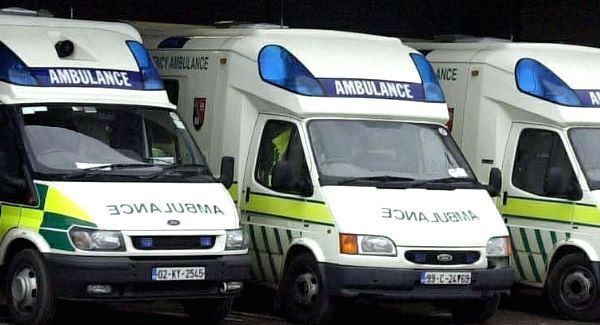
According to the programme, vehicles the HSE has told communities are needed to ensure fast-responding, high-quality care in rural areas are instead being allocated to managers who do not provide this service.
The show alleges they are “rarely used for emergency call-outs”, despite the fact this is how rapid response vehicles are meant to be used.

Further claims, which senior officials from the HSE’s national ambulance service reject during the pre-recorded programme, include evidence that “large areas of the country are regularly left without any local ambulance cover”.
The situation has been caused by changes to how the life-saving service operates.
However, the HSE has previously stressed the issues are addressed by the fact ambulance fleets are increasingly based on the road instead of in static locations — meaning they can quickly fill gaps when they occur.
The hour-long programme — which airs from 9.35pm tonight and will be followed by a live studio discussion on the issue — also repeats previous concerns over how ambulances are failing to meet target call-out response times.
Health Information Quality Authority figures for last year show just one in three call-outs to patients with life-threatening conditions were responded to within eight minutes, as national and international best practice demands.
The HSE, Hiqa, and ambulance personnel are currently locked in a row over whether the service has enough resources to meet the times, and if they should be changed in order to more realistically reflect the service that can be provided.
As revealed by the Irish Examiner earlier this year, Hiqa is currently examining why the service is failing to meet the current times.
Health Minister James Reilly told the Oireachtas health committee in January he was fast-tracking the inquiry to early summer due to the seriousness of the claims involved.
Ireland’s ambulance service is currently under intense scrutiny after a series of high-profile delays in getting vehicles to patients in time in recent months, and an ongoing row between the HSE and Dublin Fire Brigade over which group should run the capital’s service.
The latest scandal to hit the sector occurred last week, when a two-year-old suffering from an anaphylactic allergic reaction was trapped in an ambulance for 40 minutes due to a power failure, which is still to be explained.
Paramedics had raised concerns about the vehicle days before the incident happened.
However, it is claimed cutbacks to a mechanics support service for the Dublin Fire Brigade fleet meant the issue was not addressed.