Harbour drainage scheme not gone to tender after 12 years
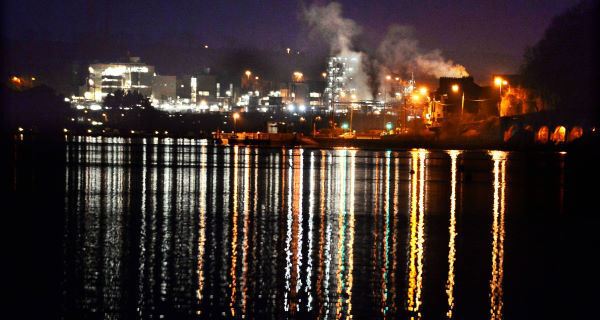
The sewage from approximately 34,000 to 35,000 people is still flowing into the bathing waters.
An Environmental Protection Agency report into urban wastewater quality published earlier this week showed that waste from 42 towns and villages all over Cork Harbour, Donegal, Wicklow, Clare, Mayo, Galway, and Dublin is only being given minimal water treatment and is getting no biological treatment.
Responding to the EPA figures, Irish Water admitted the water system “is not fit for purpose” and effluent is being discharged that is not properly treated.
It estimates that €10bn will have to be invested in the water system between now and 2027.
“Significant investment in upgrades and maintenance is required to prevent waste water from impacting on the health of communities and the environment in Ireland,” said a spokeswoman for the company.
It said is now developing “a programme of works” to improve the operation of existing waste management schemes, water sampling and monitoring.
One of its priority projects, it says, is the Cork Harbour drainage scheme. It has ringfenced funding for the project and will oversee it while Cork County Council will run the construction project.
“Site investigations have taken place and it will go to design stage next. Consultants were chosen last year. The plan is to have a single scheme for all the Cork lower harbour towns out to tender by the end of year,” said county engineer David Keane.
Irish Water said works will also start on a water treatment plant at Clifden this summer and tenders have been invited for waste water treatment upgrades in Bundoran and Killybegs in Co Donegal.
At present the sewer network around the Lower Cork Harbour area is a combined system with foul and surface water, with only newer housing estates having a separate system. Waste water from Cobh, Carrigaline, Passage West, Monkstown, and Ringaskiddy is discharged untreated into the Harbour.
Many of the industries in Ringaskiddy have put their own waste treatment plants in place.