Doctors need more support to deal with stillbirths
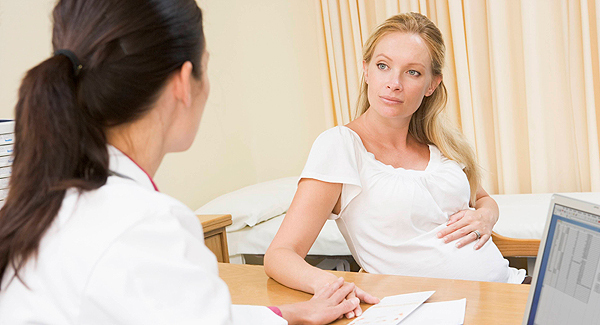
Indeed, dealing with the impact of a stillbirth is one of the most difficult parts of their job, according to the study just published in BJOG: An International Journal of Obstetrics and Gynaecology.
The research, conducted by Dr Daniel Nuzum and Dr Keelin O’Donoghue, chaplain and consultant obstetrician respectively at Cork University Maternity Hospital (CUMH), found every consultant interviewed displayed “a high level of awareness” about the devastating impact of stillbirth and perinatal bereavement on parents.
Yet none of the consultants had received any specialist training in perinatal bereavement care and all had learned ‘on the job’ and from senior colleagues during their training years.
The authors of the report said that lack of support structures to discuss the impact of stillbirth “was clearly evident”.
Lead author Dr Nuzum said on foot of the study, they were recommending that consultants be encouraged to avail of existing professional and personal support structures. He said they were also recommending that the importance of support and self-care are included in medical curricula and continuing professional development.
“Our study represents both an invitation and a challenge to consultants and to health service managers to acknowledge the clinicians’ burden of loss and to manage what are sometimes unrealistic expectations” Dr Nuzum said.
The objective of the study, carried out in 2012 and involving half of the consultant obstetricians at CUMH, was to research their experience as they care for parents who have been given the news that their baby has died or will die before birth.
Dr Nuzum said it was a “sad reality” that not every baby will survive but how parents were cared for in the event of a stillbirth was paramount.
“Parents have high expectations that their baby will be monitored through pregnancy to a successful birth. The diagnosis that a baby will not survive or has already died in utero brings with it a bewildering array of emotional distress where birth and death collide with life-long impact for the parents.
“How parents are cared for during this delicate time can have long-lasting consequences, both positive and negative,” Dr Nuzum said.
Among the key recommendations of the report are the need to recognise the personal impact and emotional burden of stillbirth. Dr Nuzum said that was “an important step towards fostering a more supportive professional environment, reducing burnout, stress and compassion fatigue for consultant obstetricians”.
The provision of specialist and ongoing training in perinatal bereavement care for all obstetricians and gynaecologists is another recommendation. As a result of this study, a local course on bereavement training has been scheduled at CUMH.
CONNECT WITH US TODAY



Be the first to know the latest news and updates



A page element cannot be displayed.
Please excuse this interruption.