Ireland near top of EU-wide survey on abuse against women
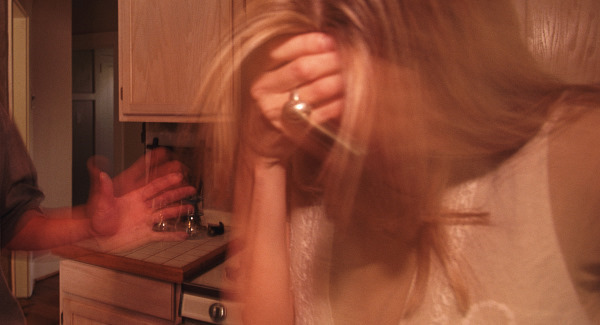
The figure is among the highest in the EU, and while those saying they have personally been victims of violence is lower, it may suggest massive under-reporting.
More than one in six women said they had been abused either physically or sexually or both by a partner, while more than a quarter said they had been similarly abused or raped by somebody.
Close to one in 10 women said they had been sexually abused before the age of 15 years by an adult; one in five said they had suffered physical violence while 5% said a family member had subjected them to psychological violence as a child.
Almost one in five said they had suffered sexual harassment, varying from unwelcome, suggestive comments to indecent exposure or sexually explicit emails. The number is just slightly lower than the EU average.
In the EU overall, one in three women suffered physical or sexual violence from the age of 15; almost a quarter had been abused by a partner, and about one in every 12 women said they had been physically or sexually attacked in the past year.
One in ten that said they had been subject to sexual violence said more than one perpetrator was involved.
One-third of those raped by their partners suffered multiple rapes. More than two-thirds attacked by previous partners said they had been pregnant at the time.
One-third of those suffering sexual harassment said it came from their boss, a colleague or customer. Close to one in five women said they experienced stalking, and for many of these it lasted for more than two years.
The study, carried out by the EU’s Fundamental Rights Agency, found a link between alcohol consumption and violence against women, but the more alcohol consumed, the more abused women tended to be.
There was also a direct relationship with the |gender equality index: the greater the gender gap, the greater the violence against women, said the agency’s director Morten Kjaerum.
And in countries where women were gaining more equality, the change itself held dangers as men suffered stress when their role was changing and this needed to be taken into account by governments, he said.
The report was especially important because it set out clear definitions of crimes such as rape and stalking, said head of the Agency’s justice department, Joanna Goodey. “Every member state has different laws and definitions — we asked women what happened,” she said.
She added that she believed the real figure for rape was higher than the one in 20 that admitted to the interviewers that they had been victims.
Only about 14% said they reported the most serious incidents of violence to the police. Many who did not report sexual violence said it was because they felt ashamed or embarrassed.
The agency said the study showed that countries need to take a range of different action and go beyond the narrow confines of criminal law, looking into raising awareness and introducing safeguards from areas ranging from employment and health to the use of new technologies.
CONNECT WITH US TODAY



Be the first to know the latest news and updates