Families detail hardship of chemotherapy
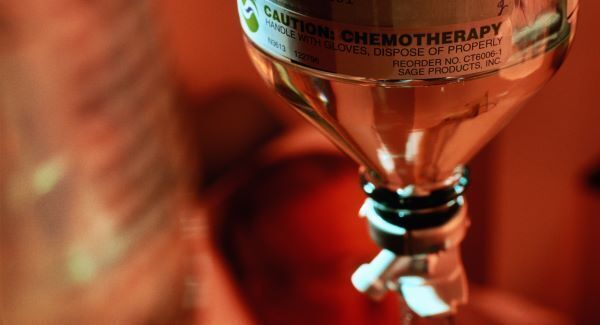
Chemotherapy is one of the hardest things a family can go through, with many afraid the aggressive treatment will not work, a study has revealed.

Families detail hardship of chemotherapy

Families of people undergoing chemotherapy have revealed the realities of living with the harsh treatment regime as part of a major World Cancer Day study.

The research, carried out during the high-profile “Movember” awareness campaign late last year, focussed on the views of 109 families of people suffering from prostate cancer in Ireland.


The study, released today on World Cancer Day, has underlined widely held concerns from those starting the treatment that it will be one of the toughest issues they have ever faced.

However, despite the physical, emotional and psychological drain on patients and their loved ones, the research also found that chemotherapy is still a better prospect than not undergoing the care.

According to the study, more than a third of family members said relatives undergoing the invasive treatment were afraid it may not work or fearful about the side effects.

A further two-in-10 said that chemotherapy left their loved one “sad and depressed” and that they “found it difficult to cope”.

One-in-10 said chemotherapy was the “hardest thing they ever had to undergo” as a family, with issues such as nausea, hair loss, fatigue and loss of energy among the problems affecting everyday life.

However, despite the notable difficulties with the treatment, the majority of families surveyed said receiving chemotherapy is still a better prospect than avoiding the gruelling medical care.

According to the study, three-in-10 families said the “overall” impact of the aggressive treatment is “manageable”, while one-in-four said the treatment was not as difficult than they had feared.

Although a third of families who responded to the survey said they “have been mentally or emotionally drained by it”, they remained “determined to beat the illness and look forward to finishing the treatment”.

The major research focussed specifically on families whose relatives have been diagnosed with prostate cancer — a condition which, partially due to late diagnosis, has one of Ireland’s highest cancer death rates.

More than 17,000 men are currently living with prostate cancer, including 3,000 new diagnoses every year. Of these people, 500 will die from the condition every 12 months, placing it just below skin cancer as the most common form of death by cancer in Ireland.

* Further information on how to cope with a cancer diagnosis, or advice for people concerned about contacting their GP about potential symptoms, is available from the Irish Cancer Society.

The independent group can be contacted on free phone 1800 200 700, or on the website cancer.ie.

More in this section

Lunchtime News

Newsletter

Get a lunch briefing straight to your inbox at noon daily. Also be the first to know with our occasional Breaking News emails.

Cookie Policy Privacy Policy Brand Safety FAQ Help Contact Us Terms and Conditions

© Examiner Echo Group Limited