HSE fails to clarify impact of €10m drugs budget cut
As part the HSE’s service plan for 2014, plans to reduce the drug reimbursement scheme budget by €10m were confirmed last December.
The scheme is used to fund vital medications for patients with serious conditions, such as cancer, heart problems and other potentially life-shortening health problems.
In the past the HSE’s necessary steps to fund some drugs for the public service while ignoring others due to the likely long-term benefit they will give to patients has led to deeply controversial difficulties for the sector.
However, despite confirming that more reductions are on the way, a month on from the Service Plan announcement officials have yet to clarify where the axe will fall.
In a statement the HSE said: “Under Section 18(4) of the Health (Pricing and Supply of Medical Goods) Act 2013, there is a responsibility placed on the HSE to review the reimbursement status of all listed items within three years.
“It is against this backdrop it is expected that some de-listing will occur in the first year of such reviews.
“However, there will also be significant additions to the reimbursement list as the HSE adds those new products which are cost-effective and offer benefit to Irish patients.”
Previous medications to have become embroiled in the HSE’s tough choices in deciding on which drugs sparse resources can be spent include the breast cancer treatment, Perjeta, and the lung cancer drug, Xalkori.
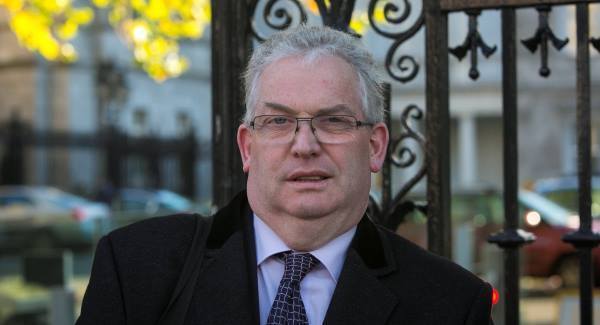
The decision on where to spend the earmarked resources is ultimately made by HSE director general Tony O Brien, and Health Minister James Reilly, after recommendations by the National Centre for Pharmaco-economics.
This group examines whether the medication provides a long-term benefit to the person affected, with treatments that will extend life for only a short amount of time on occasion turned down due to the financial demands on the system.
CONNECT WITH US TODAY



Be the first to know the latest news and updates