Noonan finishes troika talks ahead of bailout exit
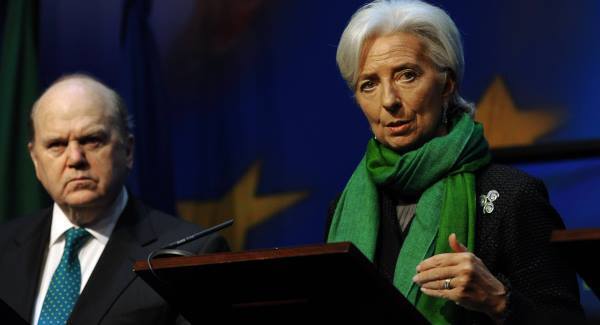
With the Government insisting it will not seek a precautionary credit line if the conditions are too onerous, yesterday’s discussions centred on how Ireland can exit the programme with credit facilities that aren’t any more stringent than existing EU budgetary commitments.
A Department of Finance spokesman said both sides discussed all the various options available to Ireland post-Dec 15.
“First deputy managing director David Lipton and Minister Michael Noonan discussed recent economic developments in Ireland and Europe, the progress made under Ireland’s programme and the various options available to the Irish authorities after the programme expires in December,” a spokesman said.
He added “Ultimately it is a matter for the Irish Government to evaluate and decide on the post-programme options.”
Mr Noonan was due to have dinner later last night in the Irish Embassy with IMF managing director Christine Lagarde.
The precautionary credit line is essentially an emergency fund that would be used to build confidence in Ireland among the international money markets in case of any unforeseen crisis when Ireland exits the bailout. While there are no exact estimates as to the size of the safety-net funding required, Mr Noonan has previously mentioned a figure of around €10bn.
Troika inspectors are due in Dublin later today for their 12th and final mission. The Coalition Government is concerned that the public will be capable of seeing a difference when the bailout ends in seven weeks time and the last thing both Enda Kenny and Eamon Gilmore want is an equally stringent surveillance regime.
The view at Government Buildings is all about optics. It does not want inspections continuing every three months, but would rather the six-month assessments under current EU rules. With European and local elections due in mid-June both parties want voters to know it was the coalition Government that returned Ireland’s sovereignty.
Yesterday the Irish Examiner reported that the Government was prepared to use its NTMA cash reserve of €25bn and “go it alone” if any conditions attached to the financial backstop smelt or felt like a second bailout.