Calls to investigate services for prejudice
John Byrne, a lecturer in social care practice at Waterford Institute of Technology, said there should be “a root and branch evaluation” of the extent of prejudice-based practice in the State services.
Mr Byrne, a social care worker and psychotherapist who has 20 years of experience working in child protection, said he believed judgement calls were sometimes made by a minority of gardaí and social workers based on their own prejudices.
“We don’t need reports; we don’t need recommendations; we need a closer analysis by every person in a line management position right through the human services to look at how their subordinates are practicing,” he said.
The removal of two Roma children from their homes, in separate cases, because they did not resemble their biological parents has led to much public criticism being levelled at the gardaí and the HSE.
Justice Minister Alan Shatter has given the Ombudsman for Children, Emily Logan, additional powers to interview any members of An Garda Síochána even though her remit is limited to the HSE.
Two internal reports from the HSE and An Garda Síochána are due to be completed within a fortnight.
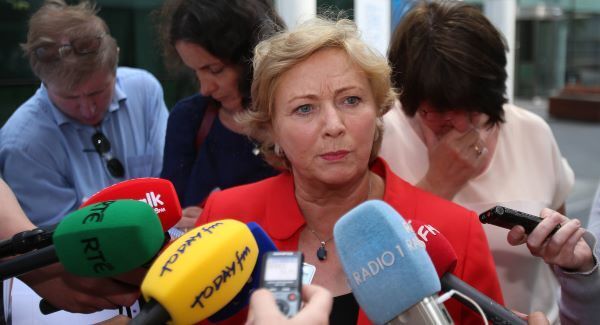
Frances Fitzgerald, the children’s minister, has said the Government would look at amending the Child Care Act in the event of Ms Logan recommending that changes should be made to the legislation.
The investigations followed the removal of a seven-year-old girl with blonde hair and blue eyes as well as a fair-haired two-year-old boy from their homes in Tallaght and Athlone last week on the bases of claims that the children did not resemble their biological parents.
DNA tests later confirmed that both children were living with their biological parents.
Mr Byrne, speaking on RTÉ radio yesterday, said there was a very fine line in child protection practice between making an assessment of a situation based on knowledge, experience, and best practice, and making a judgement based on prejudice.
Mr Byrne believed the discovery of a blonde 4-year-old girl in a Roma camp in Greece had influenced the way the cases in Ireland were handled.
It appeared that the decisions taken were prejudice based and that would have to be addressed.
“It may well have been the case that there were no social workers to make the decision so the gardaí were backed into a corner. It is a very difficult situation; you have to call it and it sounds like they did and, unfortunately, they got it wrong.”
Catherine Ghent, a solicitor who specialises in child law, said the situation provided an opportunity for analysis and training, and to further cement the necessity for the HSE and gardaí to have the voice of the child within the process.
Ms Ghent, also speaking on RTÉ radio, said the three inquiries were necessary because people needed to know how the decision was reached to remove two Roma children from their homes.

CONNECT WITH US TODAY



Be the first to know the latest news and updates