46,000 hit with €30 maternity cut
The minister defended the changes, insisting that Ireland had a generous maternity benefit system. She also said a small number paying low amounts of PRSI would actually see their payments increase.
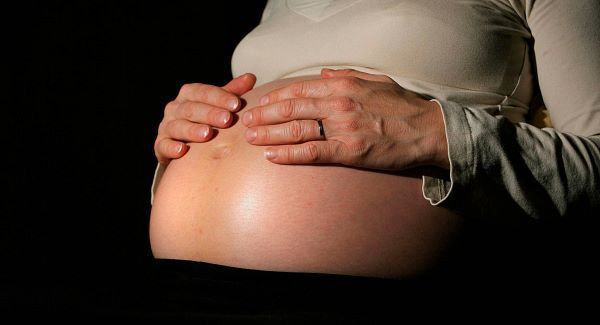
As part of her €226m package of cuts, the minister will reduce maternity benefit payments from €262 a week to €230. It is expected to affect nearly all claimants which amounts, on average, to nearly 46,000 mothers yearly, her department confirmed.
Ms Burton said: “Our maternity payment arrangements are generous in terms of duration compared to many other European countries.”
But Fianna Fáil pointed out mothers, only three months ago, had their benefit taxed to the tune of €108 a week, on average.
With the planned new reduction, Fianna Fáil estimated the total, from January, of €140 a week.
Meanwhile, the Children’s Rights Alliance said Ireland was in the middle of a “baby boom” and to reduce maternity benefit was counter-productive economically, counter-intuitive, and would result in discouraging people from having babies.
“It will inevitably force mothers back to work earlier and interfere with breastfeeding arrangements.”
Ms Burton, however, says the cut will save her department €30m.
Elsewhere, she also announced mortgage interest supplement (MIS) payments will be phased out over the next four years. The latest figures show 10,890 are in receipt of the claim.
Ms Burton said huge amounts are being paid to banks with the supplement.
“It has become a major payout for the banks, not the individuals who are in the difficulty.”
She said households paying the MIS to banks after several years often were not better off and had no resolution with the bank.
The department ended up paying banks between €25,000 and €75,000 in a lot of cases, she revealed.
There was also a significant poverty trap as those on MIS were not allowed work, she said.
The cuts to the mortgage payment will save €12m next year.
The deputy Labour leader also revealed that savings made in her department through reducing unemployment were being used to plug gaps in health.
She said €150m had been saved and part of it went to health.
Health had been an overall beneficiary of the €600m withheld and not cut back by the coalition, she explained.
She said next year her department would save €226m on expenditure reductions in the budget, before fraud and other measures are added. However, this was less than the €440m originally requested.
The minister would not say how her department managed to reduce the budget cuts demanded, citing “budget secrets” but indicated it was partly due to a reduction in the live register in the past year.