EU to launch ‘trade war’ over mackerel
Mackerel is Ireland’s most valuable fish, worth around €125m a year to fishermen, and it keeps 10 processing factories in business.
However, the amount Irish boats can fish has been cut because the two nations, with a combined population of less than 370,000, have increased their catch from 5% in 2006 to 52% this year, worth about €300m.
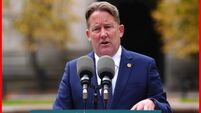
Fisheries Minister Simon Coveney warned that the stocks, carefully managed over the past few years so they remain in a healthy condition, were now being threatened by overfishing.
He accused Iceland and The Faroes of playing for time and refusing to negotiate in a meaningful way over the past five years.
“I called for and secured the agreement of the European Fisheries Commissioner Maria Damanaki to immediately prepare trade restrictions against Iceland and the Faroe Islands,” said Mr Coveney.
“They must be put in place without any further delays. Otherwise, we will be played and ignored for another three or four seasons as they plunder the stocks while Ireland has to abide by the rules for sustainable fishing.”
Irish fishermen are hugely dependent on mackerel, with factories in Donegal, Galway, Kerry, and Cork dependant on the catch.
Mackerel have moved further north in the past few years and are easier for Iceland to catch so, despite the two nations’ quota of about 5%, Iceland last year took 123,000 tonnes, while the Faroes took 159,000 tonnes. This compares to Ireland’s 68,000 tonnes, the second largest share in the EU, and amounts to 17% of the total stock.
Iceland has engaged in about eight rounds of negotiations with the EU while the Faroe opted out after three or four. After all the talks, Ireland agreed to a 15% reduction, or about 35% of the total quota. Iceland and the Faroes were offered a 15% quota in total, which they rejected.
Mr Coveney said such a derisory offer suggested they were not making a genuine effort to deal with the problem. He regretted having to press for such action against Iceland in particular, which has much in common with Ireland, but the industry was crying out for sanctions and it seemed to be the only way forward.
Ireland was backed by Britain, Spain, France, Portugal, and the Netherlands in demands that the sanctions be implemented now. They include a ban on imports of pelagic fish, such as mackerel, and its products and a ban on fishing gear and boats into the EU from the two islands.

CONNECT WITH US TODAY



Be the first to know the latest news and updates